Every breed comes with its own little personality — the energy, the quirks, the way they love their people. Here I’m gathering breed guides that go beyond the basics: size, temperament, exercise needs, grooming, and health things worth knowing, written for anyone trying to understand the dog in front of them (or the one they’re dreaming about).
And of course, every dog is an individual. A breed can tell you a lot, but it never tells you everything.
Quick breed comparison
Here’s a quick side-by-side look at the breeds I’ve written about so far. Every dog is different, so think of this as a starting point, and read the full guide before deciding.
| Breed | Size | Exercise needs | Grooming | Shedding | Good to know |
|---|---|---|---|---|---|
| Chihuahua | Toy (up to 6 lb) | Low to moderate | Low to moderate (smooth or long coat) | Moderate | Feels the cold easily; may bond closely with one person |
| Papillon | Toy (3–10 lb) | Moderate to high | Low to moderate (brush about twice a week) | Average (single coat) | Very smart agility star; sensitive to cold |
| Italian Greyhound | Small (7–14 lb) | Medium | Low (weekly brushing) | Low | Very sensitive to cold; young dogs are prone to breaking a front leg |
| Jack Russell Terrier | Small (11–17 lb) | Very high | Low (weekly brushing) | Moderate | Bred to bolt foxes: expect digging, barking, and chasing |
| Yorkshire Terrier | Toy (up to 7 lb) | Low to moderate | High (hair keeps growing) | Low | Daily tooth brushing matters |
| Maltese | Toy (under 7 lb) | Low to moderate | High (long silky hair) | Low | Watch for tear stains and knee problems |
| Pomeranian | Toy (3–7 lb) | Low to moderate | Moderate to high (double coat) | Moderate | Ask a groomer before shaving the double coat; watch knees and windpipe |
| Japanese Spitz | Small (30–38 cm tall) | Moderate (up to 1 hour/day) | High (daily brushing) | Moderate to high | Needs company; may bark at strangers |
| Dachshund | Small (mini up to 11 lb, standard 16–32 lb) | Moderate | Low to moderate (3 coat types) | Low to moderate | Protect the back with ramps and a healthy weight |
| Shih Tzu | Small (9–16 lb) | Low to moderate | High (long double coat) | Low | Flat face: watch the eyes and hot weather |
| Pug | Small (14–18 lb) | Low to moderate (gentle, cool walks) | Low (weekly brushing, daily face-fold cleaning) | Moderate to high | Flat face: may have breathing and eye problems and overheat easily |
| Cavalier King Charles Spaniel | Small (13–18 lb) | Moderate | Moderate (weekly brushing) | Light, seasonal | Gentle lap dog; heart (MVD) and SM screening are essential |
| Bichon Frise | Small (12–18 lb) | Moderate | High (trim every 4–6 weeks) | Low | Can be prone to bladder stones; keep fresh water handy |
| Poochon | Small (about 4–18 lb, depends on parents) | Moderate | High (frequent brushing, regular trims) | Low | A Poodle × Bichon mix; no dog is truly hypoallergenic |
| Miniature Schnauzer | Small (13–15 lb) | Moderate | Moderate to high (clip or hand-strip) | Low | May bark a lot; choose low-fat treats |
| Shetland Sheepdog | Small to medium (15–25 lb) | Medium to high | High (brush a few times a week) | High | Smart, vocal herder; ask your vet about an MDR1 test before new medicines |
| French Bulldog | Small (under 28 lb) | Low | Low | Moderate | Heat and breathing care |
| English Bulldog | Medium (40–50 lb) | Low to moderate (short walks) | Moderate (clean wrinkles regularly) | Moderate | Flat-faced: very sensitive to heat; watch breathing |
| Boston Terrier | Small (12–25 lb) | Moderate | Low | Low | Flat face: needs heat care, breathing checks, and daily eye checks |
| West Highland White Terrier | Small (15–20 lb) | Moderate | Moderate to high | Low to moderate | Skin allergies are common |
| Shiba Inu | Small to medium (18–25 lb) | Moderate | Moderate (heavy seasonal sheds) | Moderate to high | Independent; may need a secure leash and fence |
| Border Collie | Medium (30–55 lb) | Very high | Moderate (weekly brushing, more when shedding) | Moderate, seasonal | Often happiest with a job to do; may try to herd running kids |
| Australian Shepherd | Medium (35–70 lb) | Very high | Moderate (weekly, more when shedding) | Heavy | Needs a job; many carry the MDR1 drug-sensitivity gene |
| Beagle | Small to medium (20–30 lb) | High | Low (weekly brushing) | Moderate | Loves to sniff and bay; keep food out of reach |
| Cocker Spaniel | Medium (20–34 lb) | Medium | High (regular brushing and grooming) | Moderate | Long, droopy ears make them prone to ear infections; check ears weekly |
| Pembroke Welsh Corgi | Small to medium (up to 30 lb) | Moderate to high | Moderate (more in shedding season) | High, seasonal | A herder at heart; their long back needs gentle care |
| Poodle | Toy to large (3 sizes) | Moderate to high | High (regular grooming) | Low | Very smart; may get bored without enough activity |
| Korean Jindo | Medium (30–50 lb) | High | Moderate (brush during seasonal sheds) | Moderate to high | May need secure fencing and patient training |
| Siberian Husky | Medium (35–60 lb) | Very high | Moderate (brush 1–2×/week, more when shedding) | Heavy | Tends to roam and can overheat; secure fencing and summer care help |
| Samoyed | Medium (35–65 lb) | High | High (daily brushing) | Heavy (blows coat 1–2×/yr) | Social, vocal ex-sled dog who hates being alone and struggles in heat |
| Pungsan | Medium to large (44–66 lb) | High | Moderate (brush during seasonal sheds) | Moderate to high | Strong and energetic; may need lots of exercise |
| Golden Retriever | Large (55–75 lb) | High | Moderate to high | High | Cancer risk is higher than average |
| Bernese Mountain Dog | Large (70–115 lb) | Low to moderate | Moderate to high (more in spring and autumn) | Heavy | Calm, loyal Swiss farm dog; struggles in heat |
| Great Dane | Giant (110–175 lb) | Moderate | Low | Moderate | Highest bloat risk of any breed studied; shorter lifespan |
| German Shepherd | Large (50–90 lb) | High | Moderate (brush every few days) | Heavy, with seasonal blowouts | Loyal and reserved with strangers; needs daily physical and mental work |
| Rottweiler | Large (80–135 lb) | High (daily exercise) | Low (weekly brushing) | Moderate | Needs early training; legal permit required in Korea |
| Boxer | Large (55–70 lb) | High | Low | Moderate | Playful and slow to mature; heart screening and heat care matter |
| Labrador Retriever | Large (55–80 lb) | High | Low to moderate | High | May be food motivated; watch their weight |
All breed guides
- Rottweiler: History, Personality, Health & Surprising Facts
 Everything to know about the Rottweiler: its Roman roots, loyal personality, what RVC research says about its health, and Korea’s dangerous-dog permit rules.
- English Bulldog: History, Personality, Health & Surprising Facts
 Everything to know about the English Bulldog: its bull-baiting past, gentle personality, what RVC research says about its health, and how to keep a Bulldog cool, comfortable, and safe.
- Japanese Spitz: History, Personality, Health & Surprising Facts
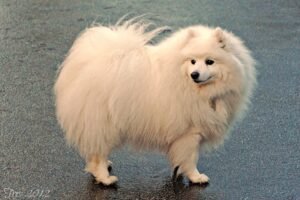 Everything to know about the Japanese Spitz: where the breed came from, its size and white coat, personality, exercise and grooming needs, and health issues to watch for.
- Poochon: History, Personality, Health & Surprising Facts
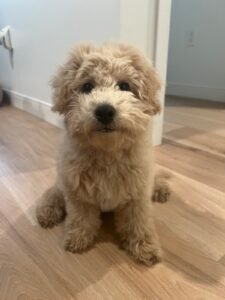 What is a Poochon? Size, coat care, the hypoallergenic myth, health research on Poodle mixes, and what life with our Poochon, Terry, is really like.
- Boxer: History, Personality, Health & Surprising Facts
 From Munich bull-biters to the kidney bean wiggle: the Boxer’s history, personality, white coats, ARVC heart screening, cancer risks, and true stories.
- Papillon: History, Personality, Health & Surprising Facts
 From Renaissance paintings to Westminster: the Papillon’s history, butterfly vs. moth ears, smart personality, key health risks, and true stories.
- Great Dane: History, Personality, Health & Surprising Facts
 Great Danes were German boar hounds, not Danish. Learn their history, gentle personality, bloat and heart risks, and the true stories behind Scooby-Doo.
- Australian Shepherd: History, Personality, Health & Surprising Facts
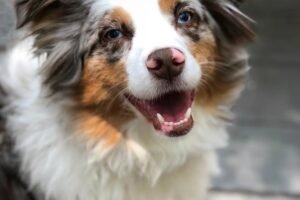 Why is the Australian Shepherd called Australian? Rodeo history, merle and bobtail genetics, two-colored eyes, health research, and true stories.
- Italian Greyhound: History, Personality, Health & Surprising Facts
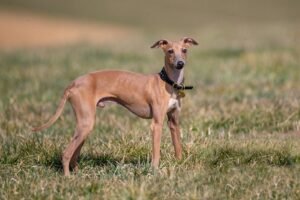 From Pompeii to royal palaces: the Italian Greyhound’s history, sighthound speed, cold sensitivity, and the leg fractures every owner should know about.
- Cocker Spaniel: History, Personality, Health & Surprising Facts
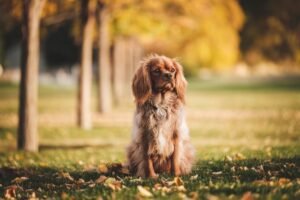 Cocker Spaniel guide: woodcock roots, the American vs. English split, ear and eye health research, the ‘rage syndrome’ myth, and Lady and Checkers.
- Bernese Mountain Dog: History, Personality, Health & Surprising Facts
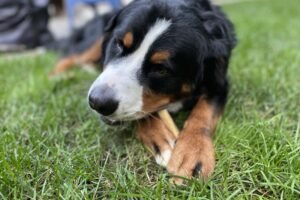 From Swiss cheese carts to drafting trials: the Bernese Mountain Dog’s history, gentle personality, health research, and tips for hot summers.
- Shetland Sheepdog: History, Personality, Health & Surprising Facts
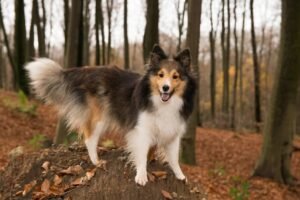 Where Shelties came from, why they’re so small, why they bark, and the MDR1 drug sensitivity every Sheltie owner should know about.