
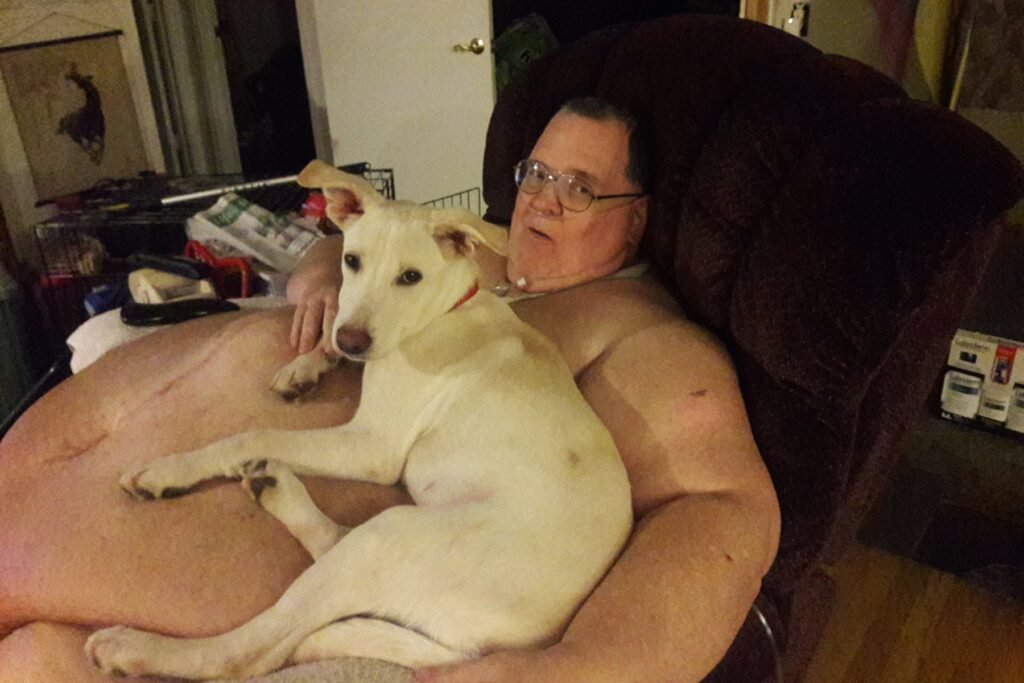
You get up from the couch, and your dog gets up too. You walk to the kitchen — they’re right behind you. You go to the bathroom… and yep, still there.
If you’ve got a little four-legged shadow following you from room to room, you’re definitely not alone. People even have a name for these dogs: “Velcro dogs.”
So why do some dogs want to be near us all the time? It isn’t always anxiety. Sometimes it’s love. Sometimes it’s habit. Sometimes you’re just the person in charge of every good thing in their world. And sometimes, yes, it can be part of a bigger worry. The real clue is what your dog does when you’re actually gone.
Sometimes they just like being with you
Dogs are social animals, and a lot of them simply enjoy staying close to the people they trust. If your dog follows you around the house but can also relax by themselves, nap while you’re busy, and stay calm when you leave, it may just be who they are. Some dogs want more closeness than others. That’s not a problem. Honestly, it’s kind of sweet.
You’re where the good stuff happens
Think about your dog’s day from their side. Who fills the food bowl? Who opens the door for walks? Who has the treats, starts the games, and knows exactly where to scratch behind the ears?
If that’s mostly you, of course they want to know where you’re going. AKC notes that positive reinforcement can play a part in following behavior — if being near you often leads to food, attention, or fun, staying close starts to feel worth it.
So yes, they love you. But they also know you’re where the interesting things happen.
They’re learning your routines
Dogs pick up on patterns we barely notice. Certain shoes mean a walk. One cabinet means treats. Keys jingling means someone might be leaving.
So sometimes your dog isn’t following you because they can’t bear to be apart. They’re just trying to figure out what’s about to happen. If walking toward the kitchen sometimes ends with food, it makes sense they’d want to come check.
Some dogs are just more people-focused
Personality matters, and so can breed history. Some working and herding breeds were developed to watch people closely and work right alongside them, and AKC notes that this can lead to especially close following in some dogs.
But breed isn’t everything. You can have a very independent dog from a “people” breed, and a mixed-breed pup who follows you absolutely everywhere. Every dog is their own little person.
Does it mean separation anxiety?
Not on its own — and this is one of the most important things to know. The Merck Veterinary Manual notes that dogs who show close attachment, including following family members around the house, are not necessarily at greater risk of separation anxiety than dogs who don’t.
The real question is: what happens when you leave?
A dog with separation anxiety feels real distress when they’re apart from their person. That might look like:
- nonstop barking or howling
- pacing and restlessness
- destroying things, especially near doors
- accidents in the house
- drooling
- refusing food
- trying to escape
- getting very upset as you get ready to leave
These signs usually show up as you’re leaving or soon after. A dog who follows you around all evening but then sleeps peacefully when you go to work isn’t showing the same thing at all.
If your dog does struggle when you leave, small steps help. In a 2024 Daily Vet (데일리벳) guide to separation anxiety, veterinarian Dr. Elena Garcia suggested starting with very short absences, even about five seconds, building up slowly, and saving a food puzzle toy for the moments you head out the door.
A camera can tell you more than guessing
💡 Good to know: One of the best ways to know what happens when you’re gone is to just… watch. Merck and VCA both recommend video to understand separation-related behavior. A pet camera, or even your phone recording, can answer so much. Do they settle after a few minutes? Do they nap? Pace the whole time? Bark only when someone walks by? Panic the second the door closes?
That’s so much more helpful than assuming that daytime following means they can’t handle being alone.
If they suddenly get much clingier
A sudden change deserves a closer look. If your usually independent dog starts following you everywhere, think about what else might have changed. Older dogs sometimes become more dependent as their vision or hearing fades, and pain or illness can change behavior too. AKC notes that sudden clinginess can be worth a vet visit, especially when it’s not like your dog.
Watch for other changes along with it — appetite, drinking, sleep, how they move, bathroom habits, energy, confusion, panting, or being sensitive to touch. Sometimes a change in behavior is the very first sign a dog doesn’t feel well.
Is it bad to let them follow you?
Usually not. There’s nothing wrong with enjoying each other’s company, and you don’t have to push them away just because they like being near you.
What we’re really hoping for is balance — a dog who loves being close to you and can also relax on their own. That might mean teaching them to settle on a bed while you move around, giving them a chew or puzzle toy a little farther away, letting other family members take over some walks and meals, or rewarding them when they choose to relax by themselves. VCA recommends teaching dogs to relax independently while you’re still home before expecting them to handle longer absences.
Please don’t force it all at once
If your dog truly gets distressed when you’re apart, shutting them in another room and waiting for them to “get used to it” usually doesn’t help. For dogs with real separation distress, Merck recommends gradual practice that keeps alone time short enough that your dog never tips into panic. Moderate or severe cases can take time, and a vet or qualified behavior professional can really help.
The goal isn’t to prove they can survive being upset. It’s to help them learn that being alone can actually feel safe.
And sometimes, it’s just ordinary
Sometimes your dog follows you because they want to know what you’re doing. That’s it. No hidden problem, no diagnosis, no deep meaning. You’re part of their world — probably the most interesting part. So they watch. They follow. They wait. And every so often they stare at you in the bathroom like you’re the weird one.
Angel Jake Note 🐾
I think we sometimes worry because we want every little thing our dogs do to mean something. “My dog follows me everywhere — is something wrong?” Sometimes, maybe. But sometimes your dog just loves being near you.
What matters most, to me, isn’t whether they follow. It’s whether they can also feel safe when they can’t. A dog who chooses to lie beside you because they like your company is very different from a dog who panics when you walk out the door.
So enjoy your little shadow. Let them follow you into the kitchen, and wait outside the bathroom door if they want to. But also help them learn that their own bed is safe, another room is safe, and being alone for a while is safe too.
Love doesn’t have to mean being together every second. Sometimes a secure dog is simply one who knows: you leave sometimes, and you always come back.
Veterinary & Behavior Sources
I used information from the Merck Veterinary Manual, VCA Animal Hospitals, and the American Kennel Club. They separate normal closeness from separation-related distress, and point out that following you around the house isn’t enough, on its own, to diagnose separation anxiety.
Veterinary behavior references distinguish normal close attachment from separation-related distress. Following an owner around the home alone is not enough to diagnose separation anxiety; diagnosis depends on what happens during actual separation and requires consideration of other possible causes.
- American Kennel Club: Why Does My Dog Follow Me Everywhere?
- VCA Animal Hospitals: Separation Anxiety in Dogs
- 데일리벳: 강아지 혼자서 잘 있게 할 수 있나요? ‘반려견 분리불안 해결 방법’
Related Reading
- How to Tell If Your Dog Is Stressed
- Why Do Dogs Tilt Their Heads? What Science Says
- How to Introduce a New Puppy to Your Older Dog
Medical Disclaimer
I’m not a vet, and nothing here replaces a real exam. If something about your dog feels off, please trust that feeling and call your veterinarian.