
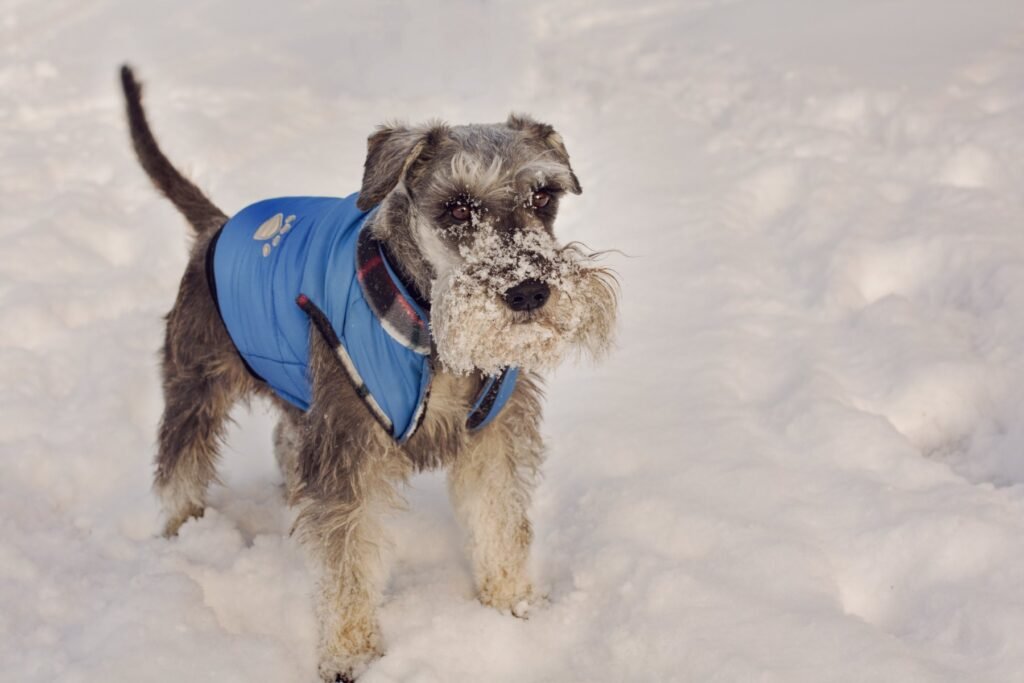
The first really cold morning of the year always catches someone off guard. You step outside with the leash, the air bites a little, and your dog looks up at you with an expression that seems to say, “Are we sure about this?”
Dogs wear a fur coat, so it’s tempting to think they’ll be fine. Some of them are. Others start to shiver after a few minutes. So how do you know which kind of dog you have, and when cold becomes a real problem?
Do dogs actually feel the cold?
Yes. Dogs are warm-blooded like us, and they work hard to keep their body temperature steady. VCA Animal Hospitals puts a dog’s normal temperature at about 100.0°F to 102.5°F (37.7°C to 39.2°C), a bit higher than ours. When they lose heat faster than they can make it, their body temperature starts to slide.
The AKC says hypothermia begins once a dog’s temperature drops below 99°F. Mild hypothermia runs from 90°F to 99°F, moderate from 82°F to 90°F, and anything below 82°F is severe.
Why some dogs handle winter better than others
A Siberian Husky and a Chihuahua are not having the same winter.
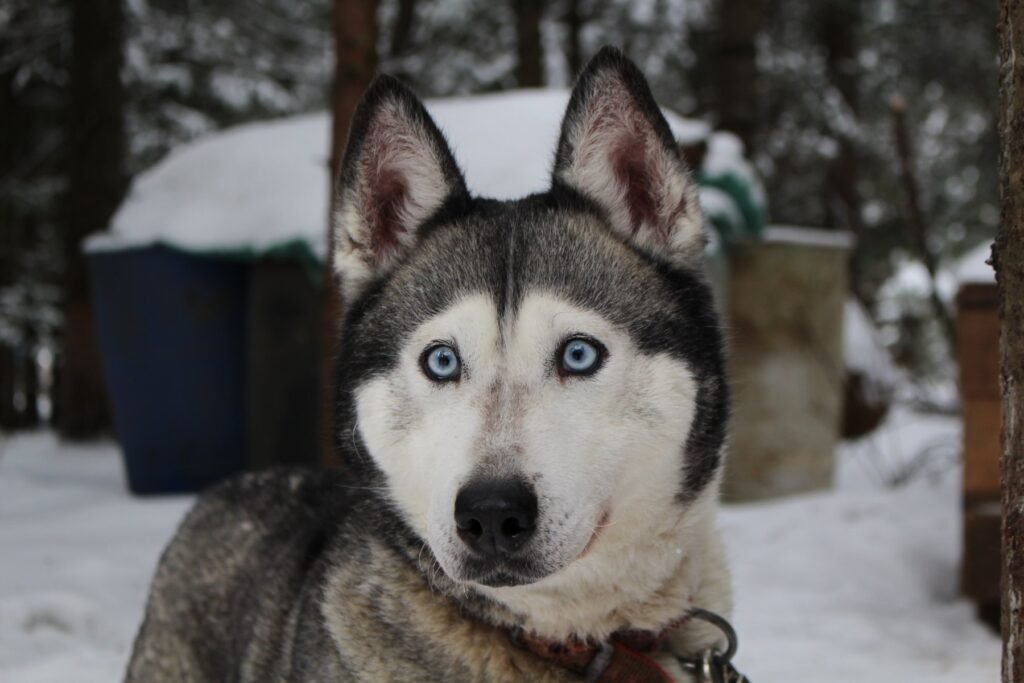
The AKC describes the Husky’s coat as a “dense cashmere-like undercoat” under a longer, coarse top coat. That double layer traps warm air close to the skin. Breeds like the Alaskan Malamute, Newfoundland, and Saint Bernard were developed for snow, ice, and freezing water, and their coats show it.
Small dogs have a different problem: there’s simply less of them. A tiny body has a lot of skin surface compared with its volume, so it loses heat quickly. The AKC lists small dogs, seniors, puppies, and short-coated dogs among those that lose body heat fastest.
The American Veterinary Medical Association (AVMA) adds a few more groups to watch: short-legged dogs (their bellies are closer to snow and cold ground), thin dogs, dogs with arthritis, and dogs with conditions like diabetes, heart disease, kidney disease, or Cushing’s disease.
The surprising way dog paws stay warm
Here’s something that sounds impossible. How can a dog walk barefoot on snow without their paws freezing?
In a 2011 study published in Veterinary Dermatology, Japanese anatomist Hiroyoshi Ninomiya and his colleagues looked at the blood vessels in beagles’ paw pads under a scanning electron microscope. They found that the veins run right alongside the arteries. Warm blood flowing down from the heart heats the cold blood flowing back up.
Scientists call this a countercurrent heat exchanger. It keeps the paw pads warm enough to avoid frostbite without letting too much body heat escape. Penguins, whales, and seals use the same trick in their feet, fins, and flippers.
💡 Did you know? Dogs’ wild relatives keep their paws warm differently. Earlier research found that arctic foxes and wolves increase blood flow to their paw pads, while Ninomiya’s team found that domestic dogs rely on the vein-and-artery heat exchange instead.
That clever system has limits, though. It helps the pads, not the whole dog, and it won’t protect paws from ice, salt, or long hours in deep cold.
Signs your dog is too cold
Dogs usually tell us they’re cold before it becomes dangerous, if we know what to look for. According to the AKC and AVMA, watch for:
- Shivering
- Curling up tightly or trying to burrow somewhere warm
- Whining or seeming anxious
- Slowing down, lifting paws, or refusing to keep walking
- Weakness or sluggishness
The AKC says shivering and curling up for warmth are usually the first signs. As hypothermia gets worse, a dog’s breathing and heart rate slow down, their gums can turn pale, and they may become very lethargic.
⚠️ Please don’t wait if your dog seems weak, unusually sleepy, or confused after time in the cold. VCA says a body temperature below 99°F is an emergency. Wrap them in warm towels or blankets and call your vet right away. Skip heating pads, which can burn.
Frostbite: ears, tail, and paws
Frostbite is a separate problem. VCA explains that below 32°F (0°C), the blood vessels near the skin narrow to protect the core of the body. In very cold or long exposures, blood flow to the ears, tail, and paws can drop so low that the tissue freezes.
Wet dogs are more at risk. Frostbitten skin may look pale, gray, or bluish and feel cold and hard, and VCA notes that the signs can take several days to appear.
If you suspect frostbite, VCA says to move your dog somewhere warm and dry, then thaw the area with comfortably warm water, never hot. Don’t rub or massage it, and don’t use a hair dryer or heating pad. Then get to the vet.

How to keep your dog comfortable this winter
You don’t have to stop walking. A few small changes go a long way.
Shorter walks on the coldest days. The AVMA suggests shortening walks when it’s very cold.
A coat for dogs who need one. The AVMA recommends a sweater or coat for short-coated dogs and suggests keeping a dry spare, since a wet sweater makes a dog colder. The AKC also suggests drying your dog before walks, because damp areas are more prone to frostbite. And never leave clothing on a dog who’s unattended.
Wipe paws, legs, and belly after every walk. De-icing salts, antifreeze, and other chemicals can stick to fur, and the AVMA warns that dogs can be poisoned by licking them off. Even a small amount of antifreeze can be deadly.
Check paws for cracks. The AVMA suggests trimming the hair between the toes to cut down on ice balls, and checking for injury if your dog suddenly starts limping.
Watch the indoor air, too. In a 2025 interview with Daily Vet (데일리벳), veterinarian Kang Gong-nae recommended keeping indoor humidity at about 40 to 50% in winter and bathing dogs only about once every two weeks so dry skin doesn’t get worse. He also suggested skipping outdoor time on very cold days and being careful with slippery ground.
💡 Good to know: Booties can protect paws from salt and ice, but they need to fit well. The AVMA stresses proper fit, and Dr. Kang cautioned that dog shoes may contribute to kneecap problems. Let your dog get used to them slowly indoors first.
Never leave your dog in a cold car. We usually think of hot cars, but the AVMA points out that a car can chill a pet quickly in winter too.
Fun facts 🐾
Dogs share a heat trick with penguins. The same countercurrent heat exchange found in dog paws helps penguins stand on ice all day.
Rescue dogs of the Alps. The AKC says the Saint Bernard was used in the Swiss Alps to find travelers caught in snowstorms.
A coat built for icy water. The Newfoundland’s heavy coat protected the dogs in the freezing waters they were bred to work in, according to the AKC.
Angel Jake Note 🐾
Every dog has their own comfort zone. One dog may want to stay out and roll in the snow, while another may stop at the door and look back at you.
Both are okay. Watch your own dog, not the thermometer alone, and trust what you see. A shiver, a lifted paw, or a quick turn back toward home is your dog’s way of telling you something. Listening to those small signals is one of the kindest things we can do for them all winter long.
Medical Disclaimer
I’m not a vet, and nothing here replaces a real exam. If something about your dog feels off, please trust that feeling and call your veterinarian.
Sources
- American Kennel Club: Hypothermia in Dogs: How Cold Is Too Cold?
- American Kennel Club: 7 Dog Breeds That Love the Cold Weather
- American Veterinary Medical Association: Cold weather animal safety
- VCA Animal Hospitals: Frostbite in Dogs
- VCA Animal Hospitals: Taking Your Pet’s Temperature
- Science News Explores: No frostbite for dogs
- 데일리벳: “겨울철 반려동물 건강, 온도·습도·영양 관리 중요”