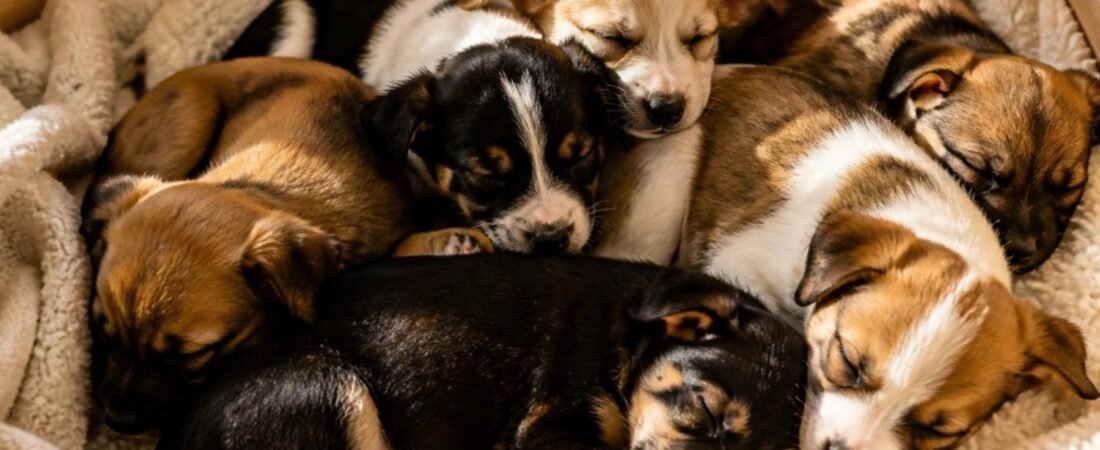
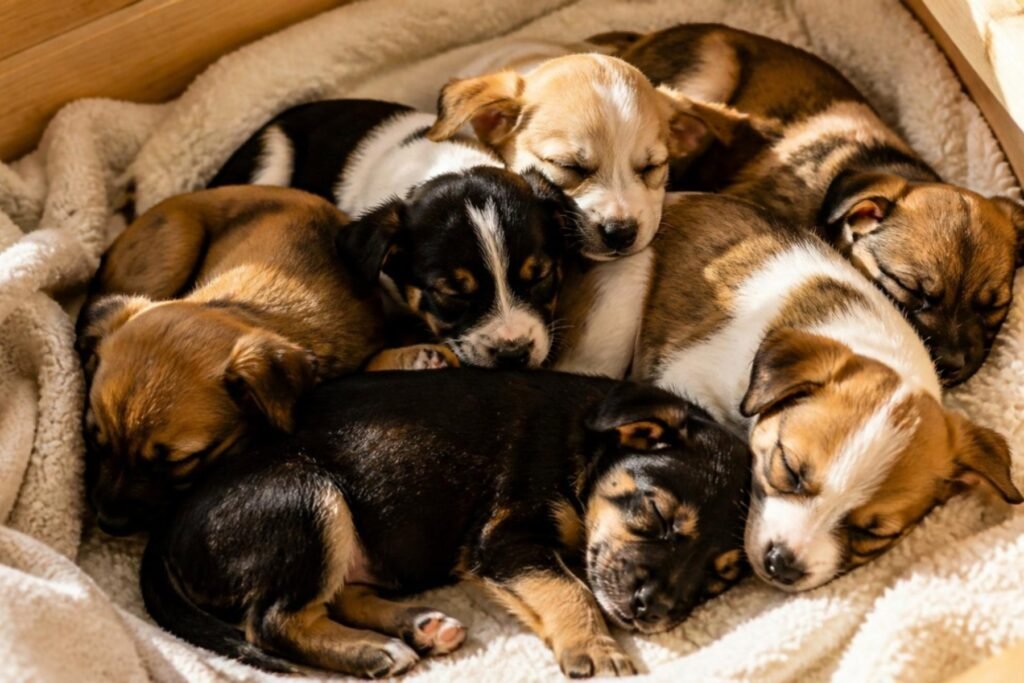
When you bring a puppy home, you’re trusting a lot of people you’ll probably never meet. The person who bred their parents. The person who raised them for their first few weeks. Sometimes a seller or a website in between.
Most of us hope someone is checking on those places. In the U.S., that job partly belongs to the Department of Agriculture, and on Sept. 21, 2026, the agency said it’s going to look a lot harder at dog breeders.
What the USDA announced
The U.S. Department of Agriculture (USDA) laid out a list of animal welfare actions after a meeting in Washington, D.C., led by Agriculture Secretary Brooke L. Rollins. Several of them are aimed squarely at dog breeding.
Here’s what the agency says is coming:
- New care standards for dogs, which USDA says it will propose in 2027. They would cover humane care, medical care, exercise, socialization, and record-keeping, and the plan is informed by 7,522 unique public comments that supported stronger requirements.
- Reminder letters. USDA is sending “over 2,000 regulatory refresher mailings to dog breeding facilities to make crystal clear what the law requires for humane care.”
- A new enforcement team. The newly formed Animal Protection Bureau is now conducting targeted compliance reviews, coordinating investigations, and focusing on unlicensed operations.
- A look back at breeders who gave up their licenses. “Within six months, USDA will review all dog breeders who have surrendered a USDA or equivalent state license in the past two years and pursue action against anyone operating in circumvention of the Animal Welfare Act.”
The agency also shared what it has done so far in 2026. It says it denied or terminated 8 dog breeder licenses, suspended 6, revoked 5, and supported 3 criminal investigations involving dogs.
That six-month review is the part that caught my attention. Giving up a license and quietly carrying on is exactly the kind of gap that’s hard for buyers to see from the outside.
Why a puppy’s first weeks matter so much
It’s easy to read news like this as paperwork. But there’s research suggesting that where and how a puppy starts life can follow them for a long time.
This year, researchers at the Royal Veterinary College (RVC) in the UK published a study in the journal Animal Welfare that followed 985 puppies bought during the pandemic. By 21 months of age, 91.1% of the puppies had at least one health problem, most often digestive issues.
The way they were bought made a difference. In the UK, it’s illegal to sell a puppy under 8 weeks old. Puppies bought illegally at under six weeks typically had almost three more health problems by 21 months, and puppies sold without their mother present had 0.3 more than those sold with her. “A poor start in life cannot simply be undone,” said Dr. Rowena Packer, a senior lecturer at the RVC.
That study was done in the UK and relied on what owners reported, so it can’t tell us exactly how things look in American breeding facilities. Still, it’s a good reminder of why rules about care, space, and socialization aren’t just red tape. They shape the dog who ends up on your couch.
💡 Did you know? The ASPCA’s guidelines on responsible breeding say puppies shouldn’t be fully weaned before 8 weeks old unless there’s a medical or behavioral reason, and that ideally they go home between 10 and 12 weeks of age.
A law with a family dog in its story
Here’s a bit of history most people never hear. The federal law at the center of all this traces part of its story back to a family dog.
According to the Library of Congress, a 1965 Sports Illustrated article told the story of Pepper, a pet Dalmatian who was stolen from her home and sold to a research facility, where she was euthanized. In February 1966, Life magazine ran a piece called “Concentration Camps for Dogs.” The Laboratory Animal Welfare Act was passed within a year of those two articles, and President Lyndon B. Johnson signed it on Aug. 24, 1966.
That first version was mostly about research animals. It gave the Secretary of Agriculture the power to license animal dealers, and it has been expanded several times since. Today it’s the same law, now called the Animal Welfare Act, that USDA uses to license commercial dog breeders.

The part most buyers don’t realize
This is the little-known piece that I think every puppy buyer should hear: a USDA license doesn’t cover every breeder, and not having one doesn’t automatically mean someone is doing something wrong.
According to a USDA technical note on dog licensing, a license is generally required for wholesale sellers and for retail sales “where the buyer, seller, and dog are not physically together in the same place,” like many online sales. But when the buyer, seller, and dog are physically together, a license isn’t needed. And someone who keeps four or fewer breeding female dogs and sells only puppies born and raised on their own premises doesn’t need one either.
So the new standards and enforcement are likely to matter most for larger commercial operations and for sellers who ship puppies sight unseen. A small breeder you visit in person may never be inspected by USDA at all, which means your own eyes and questions still matter a lot.
If you’re curious about a licensed facility, USDA keeps a free Public Search Tool where you can look up licensees and read inspection reports.
💡 Good to know: The Humane Society of the United States says responsible breeders “encourage you to visit and spend time with the pup’s parents—at a minimum, the mother,” and that they sell only to people they meet in person. If a seller won’t let you visit, take that seriously.
Korea went through a similar reckoning
Korea had its own wake-up call about puppy mills, and it happened quickly.
In May 2016, SBS’s TV Animal Farm (TV 동물농장) aired footage from inside a dog breeding operation. According to the Kyunghyang Shinmun (경향신문), the broadcast showed forced breeding and puppies being delivered by C-section, and mother dogs being pushed to give birth three times a year. An online petition drew 300,000 signatures in five days.
The government responded with a nationwide survey of breeding facilities. At the time, 188 facilities were officially reported, while the government estimated that around 800 to 1,000 were operating illegally, the paper reported.
The next year, Korea changed its Animal Protection Act so that dog breeding businesses would need a government license, not just a filing. According to DailyVet (데일리벳), the change took effect on March 20, 2018, and existing breeders were given two years to meet the new requirements.
Different countries, different systems. But in both places, people are asking the same question: who’s checking on the dogs before they reach our homes?
What this announcement can’t tell us yet
I want to be honest about the limits here.
This news comes from USDA’s own press release, so it’s the agency describing its own work. The biggest change, the updated care standards for dogs, is still only a plan. USDA says it will propose those rules in 2027, and proposed rules can change before they become final, or take a long time to get there.
The reminder letters don’t change any rules by themselves. They restate what’s already required. And the enforcement numbers USDA shared are a snapshot without context: the release doesn’t say how many dog breeders are licensed in total, so it’s hard to judge whether those numbers are a lot or a little.
And as we saw above, many small and in-person breeders fall outside USDA’s reach entirely. So this is a step, not a guarantee.
💡 Good to know: If you’re buying a puppy, it’s worth asking to see where the puppies live, meeting the mother, and asking how old the puppies will be when they go home. If you’re adopting instead, shelter and rescue staff can usually tell you a lot about a dog’s history and health.
Angel Jake Note 🐾
Every puppy deserves a gentle start. Clean bedding, a mom nearby, people who handle them kindly, and enough time to grow up a little before going home.
I’m glad to see more attention on the places where that start happens. But I keep coming back to the quiet part of this story: many small breeders may never see a USDA inspector. That’s why the questions you ask, and the visits you make, still count for so much. If something feels off, it’s okay to walk away, even when the puppy in front of you is impossibly cute.
A Note on This Story
This post summarizes the reports and official sources linked in the Sources section. Details can change as a story develops, so please check those sources for the latest updates.
Sources
- U.S. Department of Agriculture: USDA Announces Actions Marking New Era of Animal Welfare (Sept. 21, 2026)
- USDA APHIS: Tech Note, Dog Activities Requiring a USDA License or Registration
- USDA APHIS: Animal Care Public Search Tool
- Library of Congress: The Animal Welfare Act Grants Protection to Pets and More
- Royal Veterinary College: Starting on the right paw, how a puppy is purchased shapes its health later in life
- Animal Welfare (Dale et al., 2026): Sold a Pup? Impact of purchasing practices, owner and dog demographics, and puppy early life experiences on later canine health outcomes in the UK
- ASPCA: Position Statement on Criteria for Responsible Breeding
- The Humane Society of the United States: How to Find a Responsible Dog Breeder
- Kyunghyang Shinmun (경향신문): ‘강아지 공장’에서 무슨 일이···정부 전수조사 나선다
- DailyVet (데일리벳): 동물보호법 개정안 공포, 2018년 3월 20일부터 시행