
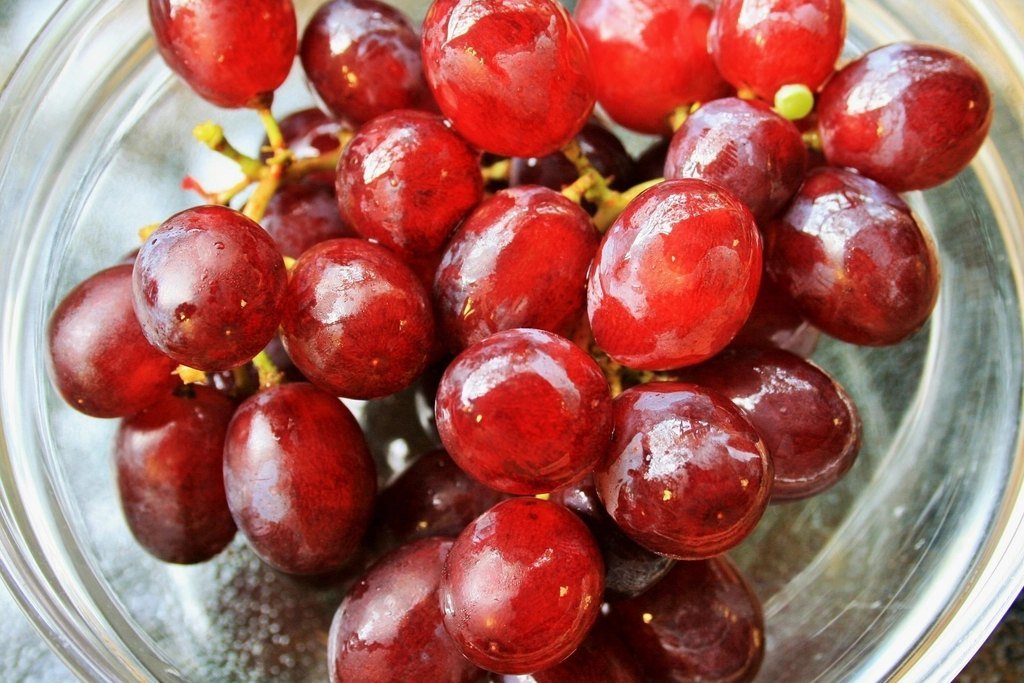
It happens so fast. A grape rolls off the counter, or a toddler shares a handful of raisins, and before you can say a word, your dog has swallowed it. Then the questions start. Was that enough to matter? Do I need to do something right now?
If you’re reading this with your heart pounding, I’m glad you’re here. The short version is yes, grapes and raisins are a real danger to dogs. The good news is that dogs who get help early usually do very well. So if your dog just ate some, call your vet or a pet poison line first, and come back to the rest of this guide when you have a minute.
So why are grapes such a big deal?
Grapes, raisins, and Zante currants all come from the Vitis plant, and the Merck Veterinary Manual says they’ve been linked to kidney failure in dogs. Cornell University’s Riney Canine Health Center adds sultanas to the list, since they’re simply a type of white grape. VCA Animal Hospitals says it doesn’t matter whether they’re red or green, seeded or seedless, organic or homegrown. All of them have poisoned dogs.
This isn’t a new worry. Seoul National University veterinary professor Hwang Cheol-yong wrote in the Korean newspaper 경향신문 (Kyunghyang Shinmun) that grapes have been reported to cause acute kidney failure in dogs since the late 1990s, and that Korea has seen many poisoning cases, too. A 2005 study in the Journal of Veterinary Internal Medicine looked back at 43 dogs from the ASPCA Animal Poison Control Center’s records between 1992 and 2002 who developed kidney problems after eating grapes or raisins. Every single one of them vomited.
For decades, though, nobody could say exactly what in the fruit was hurting them.
The playdough clue that cracked a 20-year mystery
The answer came from an unlikely place: a batch of homemade playdough.
Dr. Colette Wegenast, a veterinary toxicologist at the ASPCA Animal Poison Control Center, was working on a case where a dog had eaten homemade playdough. Playdough poisoning is usually about salt, but this dog’s case didn’t fit. The dog vomited heavily and developed serious kidney trouble instead. The recipe called for cream of tartar, a baking ingredient that is a form of tartaric acid, and tartaric acid also happens to be in grapes.
That investigation led to a letter in the Journal of the American Veterinary Medical Association (JAVMA) in April 2021, by Wegenast and her colleagues Meadows, Anderson, and Southard. The title spells it out: “Unique sensitivity of dogs to tartaric acid and implications for toxicity of grapes.” A 2022 follow-up in the Journal of Veterinary Emergency and Critical Care described more dogs with kidney injury after eating cream of tartar or tamarind, a tangy fruit that’s also high in tartaric acid. The kidney damage looked the same as in grape and raisin cases. One of the dogs in that paper, a 28 kg (about 62-pound) mixed breed, had eaten four cups of homemade playdough.
So why are dogs the ones in trouble? The Merck Veterinary Manual explains that dogs aren’t good at getting rid of organic acids like tartaric acid, because they lack some of the transporters other species have. The acid builds up in the cells of the kidney’s tiny tubules and damages them.
Why one dog is fine and another isn’t
This is the part that confuses so many people. One dog eats a bunch of grapes and nothing happens. Another eats a few and ends up in the hospital.
Tartaric acid may explain it. The ASPCA says the amount in grapes ranges from 0.35 percent to 2 percent, which makes it hard to predict how toxic any given grape will be. Pet Poison Helpline and Cornell say the level can change with ripeness, and Grady Veterinary Hospital’s write-up of the discovery adds grape type and where the grapes were grown. In other words, two handfuls of grapes can be very different “doses.”
“Some dogs can eat a bag of raisins or a handful of grapes and be fine,” Dr. Maren Krafchik said in an ASPCA story. But APCC Medical Director Dr. Tina Wismer put the problem plainly: “we don’t know which animals are going to develop kidney failure.”
💡 Did you know? Professor Hwang shared that his own dog once ate nearly a kilogram of big Geobong (거봉) grapes in one sitting, and months later she still showed no problems. He called that lucky, and used it as a reminder that accidents happen at home and that many dogs end up at the clinic because their owners didn’t know the risk.
Is there a “safe” amount?
Sadly, no. Pet Poison Helpline says there is no established safe amount, and VCA says there’s no well-established toxic dose either, since some dogs are poisoned by very small amounts. Cornell’s advice is to treat any amount as potentially toxic.
To give you a sense of scale, the Merck Veterinary Manual says that more than one grape or raisin per 4.5 kg (10 pounds) of body weight may contain enough tartaric acid to put a dog’s kidneys at risk. For a 10-pound dog, that’s anything more than a single grape. And raisins are easy to eat by the dozen.
Where grapes and raisins like to hide
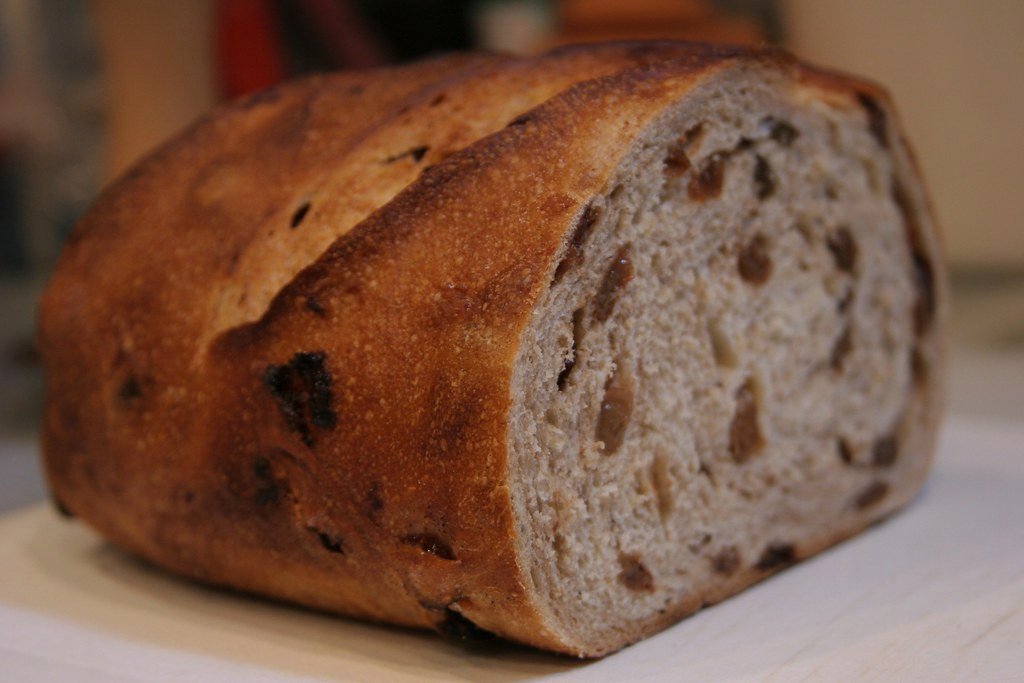
Whole grapes on the floor are easy to spot. Raisins tucked into other foods are much sneakier. VCA and Pet Poison Helpline flag these:
- Trail mix, cereal, and granola bars
- Raisin bread and other baked goods
- Oatmeal raisin cookies
- Fruitcake, hot cross buns, and Christmas pudding
- Chocolate assortments and some jams
- Kids’ snacks
- Fruit thrown in the trash or compost
Because of the tartaric acid discovery, cream of tartar and tamarind (including tamarind paste) are now on the watch list as well. If your family makes homemade playdough, it’s worth checking the recipe and keeping it out of reach.
What about grape juice? VCA says grape juice, wine, jellies made from grape juice concentrate, grape seed extract, and grape leaves haven’t been reported to cause this kind of poisoning, and Cornell suggests processing likely lowers the tartaric acid. Still, if your dog got into something grape-flavored and you’re not sure what was in it, a quick call to your vet is never wasted.
Signs to watch for, and when
Trouble usually starts in the stomach. The Merck Veterinary Manual says vomiting or diarrhea typically begins within 6 to 12 hours. Kidney failure can then develop within 24 to 72 hours.
Watch for:
- Vomiting or diarrhea
- Loss of appetite
- Lethargy or weakness
- Belly pain
- Drinking and peeing more than usual at first
- Peeing much less, or not at all
- Breath that smells like ammonia
- Dehydration
- Wobbliness, tremors, or seizures in severe cases
One thing catches a lot of people off guard. Pet Poison Helpline warns that kidney damage can start before you see any obvious signs. A dog who seems totally normal the next morning isn’t necessarily in the clear.
What to do right now
Call your vet, an emergency clinic, or a pet poison line straight away, even if your dog seems fine. Pet Poison Helpline is at (855) 764-7661, and the ASPCA Animal Poison Control Center is at (888) 426-4435. Both are open 24/7, and both may charge a consultation fee.
It helps to have a few details ready: your dog’s weight, roughly how much they ate, when it happened, any symptoms, and the packaging if there was one.
⚠️ Please don’t try to make your dog vomit at home. Pet Poison Helpline says hydrogen peroxide is often suggested online but can be dangerous, and whether vomiting is safe at all depends on timing and your dog’s condition. Let a vet or poison control team make that call. They also suggest not offering food or water until you’ve spoken with them.
How vets treat grape and raisin poisoning
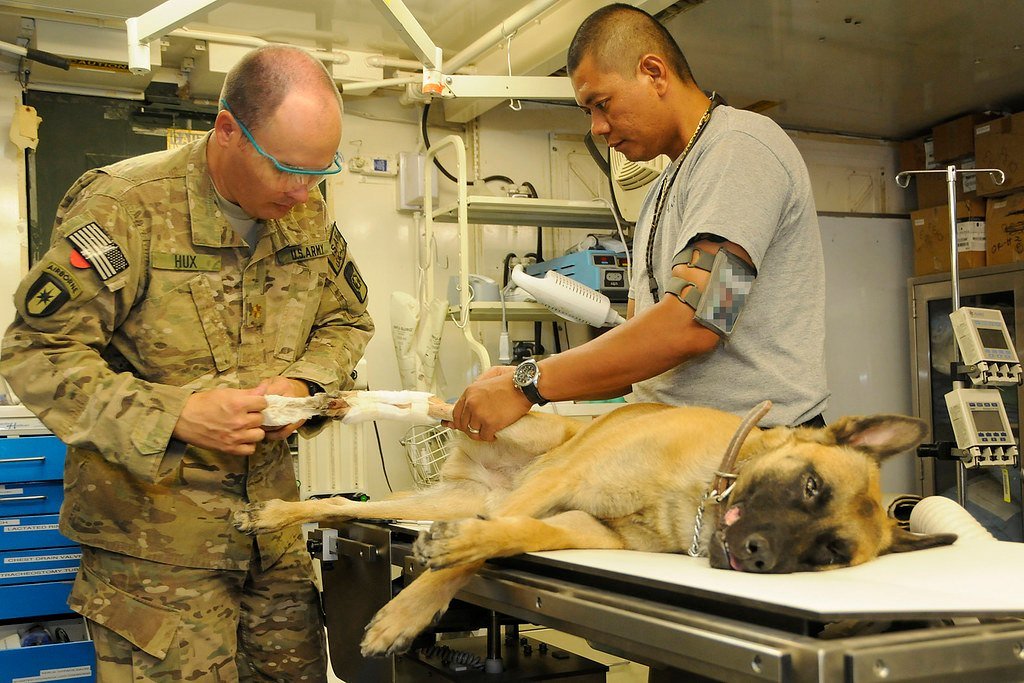
There’s no antidote, so treatment is all about getting the fruit out and protecting the kidneys.
If your dog ate grapes recently and isn’t showing symptoms yet, your vet will likely give medication to make them vomit. Cornell says this can still help hours later, because fruit can sit in the stomach for a while. Activated charcoal may come next to soak up what’s left, although Merck notes its benefit here isn’t proven.
After that, IV fluids are the main treatment. For larger ingestions, Merck recommends IV fluids for a minimum of 48 hours, and Pet Poison Helpline says dogs are often hospitalized for at least 48 to 72 hours. During that time, your vet will repeat blood tests to check kidney values and electrolytes, and keep an eye on urine output and blood pressure. Cornell explains that bloodwork can look normal in the first few hours, which is why rechecking over two to three days matters. Anti-nausea and stomach-protecting medicines are common too.
If a dog’s kidneys stop making urine, dialysis may be the only option, and Cornell notes it’s usually available only at specialty or university hospitals.
What are the chances?
When dogs get help early, the outlook is really encouraging. In a 2022 Dutch study in the Journal of Small Animal Practice, researchers followed 95 dogs with confirmed grape or raisin ingestion. Vomiting was induced in 76 percent of them, about 15 percent showed any signs at all (mostly an upset stomach), and only 1 in 95 dogs developed kidney injury. All 95 survived.
Waiting is a different story. In 2016, the ASPCA Animal Poison Control Center handled 3,722 calls about grapes and raisins. Only one of those cases ended in death, and that dog didn’t see a vet until three days after eating them. In the 2005 study of 43 dogs who had already developed kidney problems, about 53 percent survived, and dogs who were peeing less had a worse outcome.
Pet Poison Helpline says dogs treated before kidney damage sets in have an excellent chance of a full recovery. Once the kidneys have been hurt, the outlook becomes guarded, and some survivors live with lasting kidney damage.
💡 Good to know: Kidney injury doesn’t have to be the end of the story. The ASPCA shared the story of Leah, a five-month-old Pekingese and Pomeranian mix who ate about 10 red grapes while her owner’s young son was snacking on them. She developed acute kidney failure, spent about a week on IV fluids and stomach protectants at the ASPCA Animal Hospital in Manhattan, and went home to her family, with her vets keeping a close watch on her kidney values.
Fun facts 🐾
Not every currant is the problem. The currants in many baked goods are Zante currants, which Cornell describes as a type of raisin. True black currants from the Ribes plant haven’t been linked to kidney damage, according to VCA and Merck.
Cats are a question mark. Merck says there are only anecdotal reports of kidney failure in cats and ferrets after eating grapes or raisins, with no published case reports.
The fruit can tell the story. Cornell says pieces of grapes or raisins may still show up in vomit for up to 12 hours after a dog eats them, which can help your vet confirm what happened.
Angel Jake Note 🐾
If your dog just ate a grape, please don’t spend the next few hours blaming yourself. Dogs are quick, and grapes and raisins are everywhere. What matters most is what you do next, and you’re already doing it by looking for answers.
Make the call, even if it feels like an overreaction. Most dogs who get help early go home just fine, and if it turns out to be nothing, you’ve lost a few minutes and gained some peace of mind. After that, a fruit bowl pushed back from the counter edge and a word with the kids about sharing snacks can go a long way.
Medical Disclaimer
I’m not a vet, and nothing here replaces a real exam. If something about your dog feels off, please trust that feeling and call your veterinarian.
Sources
- Merck Veterinary Manual: Grape, Raisin, and Tamarind (Vitis spp, Tamarindus spp) Toxicosis in Dogs
- ASPCApro: Toxic Component in Grapes and Raisins Identified
- JAVMA (Wegenast, Meadows, Anderson, and Southard, 2021): Unique sensitivity of dogs to tartaric acid and implications for toxicity of grapes
- Pet Poison Helpline: Journal Review of Wegenast et al. (2022), Acute kidney injury in dogs following ingestion of cream of tartar and tamarinds
- Grady Veterinary Hospital: Mystery Solved: Why Grapes Are Toxic to Dogs
- Pet Poison Helpline: Can Dogs Eat Raisins? What Every Pet Owner Needs to Know
- VCA Animal Hospitals: Grape, Raisin, and Currant Poisoning in Dogs
- Cornell Riney Canine Health Center: Grape and Raisin Toxicity
- Journal of Veterinary Internal Medicine (Eubig et al., 2005): Acute renal failure in dogs after the ingestion of grapes or raisins, a retrospective evaluation of 43 dogs (1992–2002)
- Journal of Small Animal Practice (Dijkman et al., 2022): Incidence of Vitis fruit-induced clinical signs and acute kidney injury in dogs and cats
- ASPCA: Leah’s Close Call: A Handful of Grapes Nearly Cost One Dog Her Life
- ASPCA Animal Poison Control Center
- [경향신문 (Kyunghyang Shinmun): [반려동물 건강이야기] 포도는 애견에게 약일까, 독일까?](https://www.khan.co.kr/article/201211261141092)