
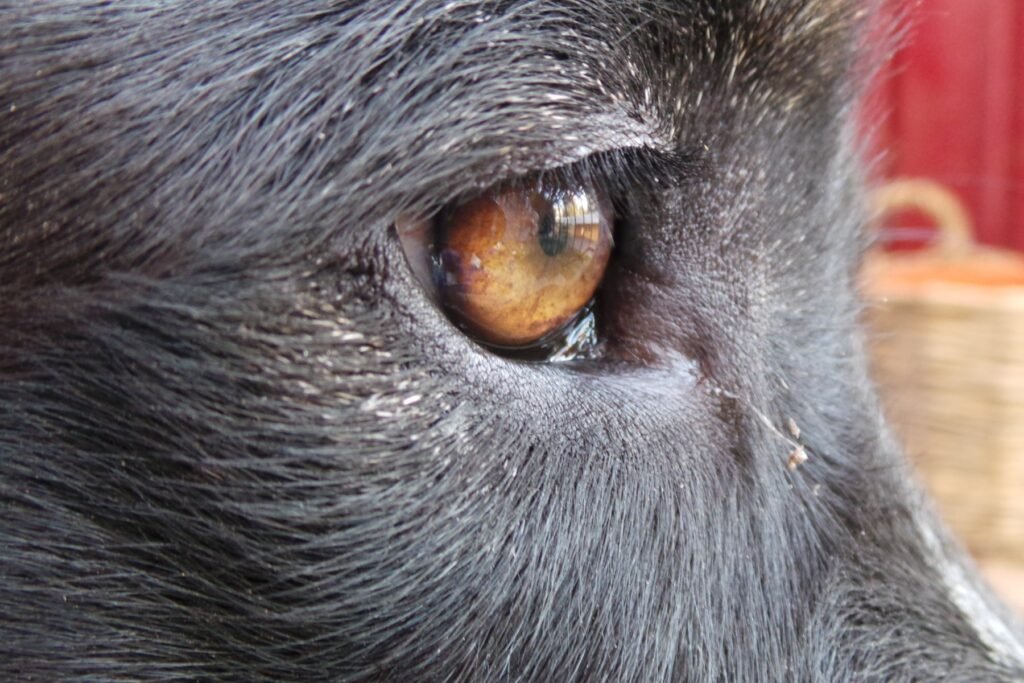
Most of us never think about our dogs’ tears. They’re just there, quietly doing their job every time our dog blinks.
But this summer, something started happening in the UK that has a lot of owners paying attention. Dogs were suddenly losing their tears, in both eyes at once. So far, nobody can say exactly why.
So what’s happening in the UK?
The British Association of Veterinary Ophthalmologists (BrAVO) is running a UK-wide investigation into a rise in cases of acute dry eye in dogs. The medical name is keratoconjunctivitis sicca, usually shortened to KCS.
In a statement on September 23, 2026, BrAVO said more than 200 cases had been reported through its survey. “We are working methodically and collecting data from veterinary surgeons across the UK through an online portal,” BrAVO chair Chris Dixon told STV News.
What makes these cases unusual is how they show up. According to an investigation report published by the dog food company Years, the condition started suddenly, affected both eyes, left the dogs with very low tear production, and often didn’t respond well to the usual treatments.
How a dog food company got pulled in
Years is a British company that sells fresh dog meals. Its report says it started investigating on July 22, 2026, after 11 cases were reported among dogs eating its food. By August 17, there were 57 potential cases, and the company issued a voluntary recall of its fresh meals.
Early suspicion fell on buckwheat, an ingredient the company had recently added. So Years commissioned a huge round of testing. Pet Business World reported that the company ran 21,757 tests covering 1,129 different substances, including pesticides, mycotoxins, heavy metals, veterinary medicines, and packaging chemicals. Every historical batch of buckwheat was checked for 940 substances, including fagopyrin, a compound found in buckwheat.
Everything came back clean. Co-founder Ivan Barashki said that “no contamination, toxin, safety or packaging migration issue has been found.”
Even so, the company is removing buckwheat and going back to its original recipe, and it’s funding an independent study at Cambridge, led by veterinary ophthalmologist David Williams, that will look at tear gland tissue from affected dogs. Co-founders Darren Beale and Ivan Barashki explained the decision in a statement quoted by dvm360: “There was no scientific evidence that our food was responsible, but we were not prepared to take any chances.”
The twist: dogs who never ate the food
This is where the story gets strange.
In the Years report, 155 cases were in dogs fed Years food, which works out to about 0.25% of the roughly 63,000 dogs eating it. But BrAVO data also showed 96 cases in dogs who had never eaten Years at all. Forty-one of those were in the UK. The other 55 were in Finland and Hungary, where the food isn’t even sold.
BrAVO has been careful about this. “Not all affected dogs have been fed the same diet,” its statement says, and “no causal relationship has been established between KCS and any particular food, ingredient or manufacturer.”
Not everyone is satisfied. A Facebook group called “Years Dry Eye Cases” has more than 5,200 members, and its administrator, Andy Young, told Pet Business World that “we remain entirely unhappy with the situation.”
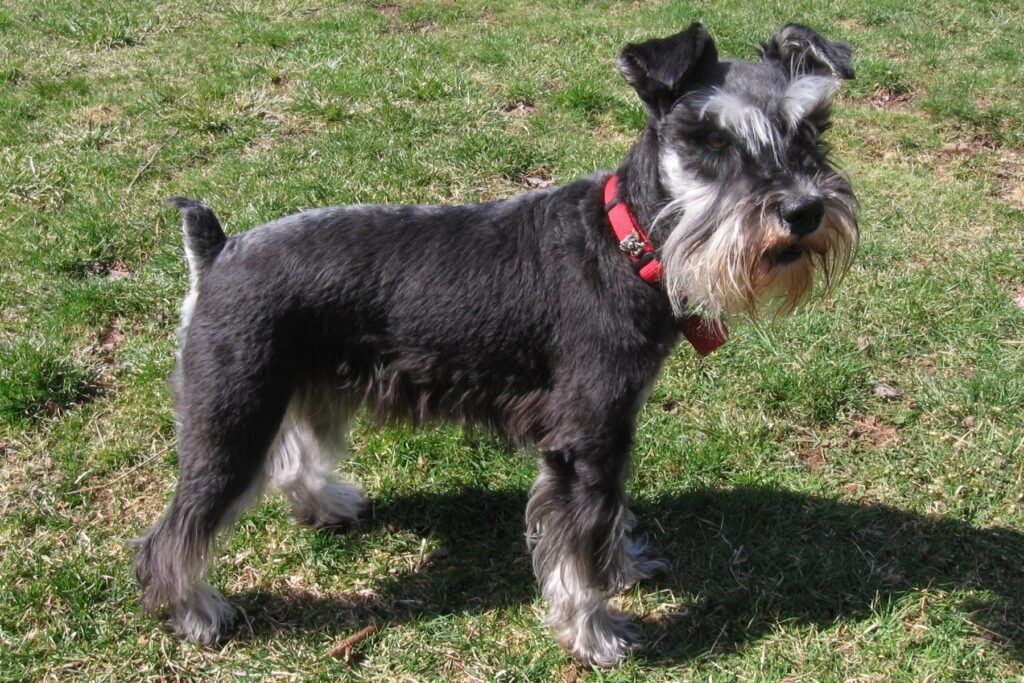
💡 Did you know? The Years report found that a few breeds showed up more often than expected among these cases: Schnauzers, Cavalier King Charles Spaniels, Whippets, and German Shepherds. Three of those four breeds were already known to be prone to dry eye.
Why tears matter more than you’d think
A dog’s tears aren’t just water. Cornell University’s Riney Canine Health Center explains that the tear film has three layers: mucin, watery, and oily. KCS is a problem with the watery part. When the tear glands don’t make enough of it, the surface of the eye becomes inflamed.
The most common cause of dry eye in general, Cornell says, is the dog’s own immune system inflaming the tear glands. Other triggers can include hormone-related conditions, certain medications (such as sulfonamides or etodolac), and surgery that removes the gland of the third eyelid. Some breeds are more prone, too, including West Highland White Terriers, Shih Tzus, Cavaliers, Pugs, Lhasa Apsos, English Bulldogs, and American Cocker Spaniels.
The Years report describes the sudden UK cases as different from that typical immune-related dry eye. They came on fast, and they often didn’t respond to the standard treatments.
The sign that surprises a lot of owners
You might expect a dog with “dry eye” to have, well, dry-looking eyes. Sometimes they do. Cornell lists a dull or dry appearance as one sign. But another sign on the list is almost the opposite of what you’d guess: thick, yellow-green discharge. To an owner, that can look a lot like an ordinary eye infection.
Other signs Cornell lists include redness, squinting, and pawing or rubbing at the face.
Vets diagnose KCS with something called the Schirmer tear test, which measures how much watery tear the eye makes over one minute. A stain called fluorescein may also be used to check the surface of the eye for damage.
⚠️ Please don’t wait. If your dog’s eyes look red, dull, or dry, if they’re squinting or rubbing their face, or if you notice thick yellow-green discharge, call your vet. Untreated dry eye can damage the eye and affect vision.
What this means if your dog already has dry eye
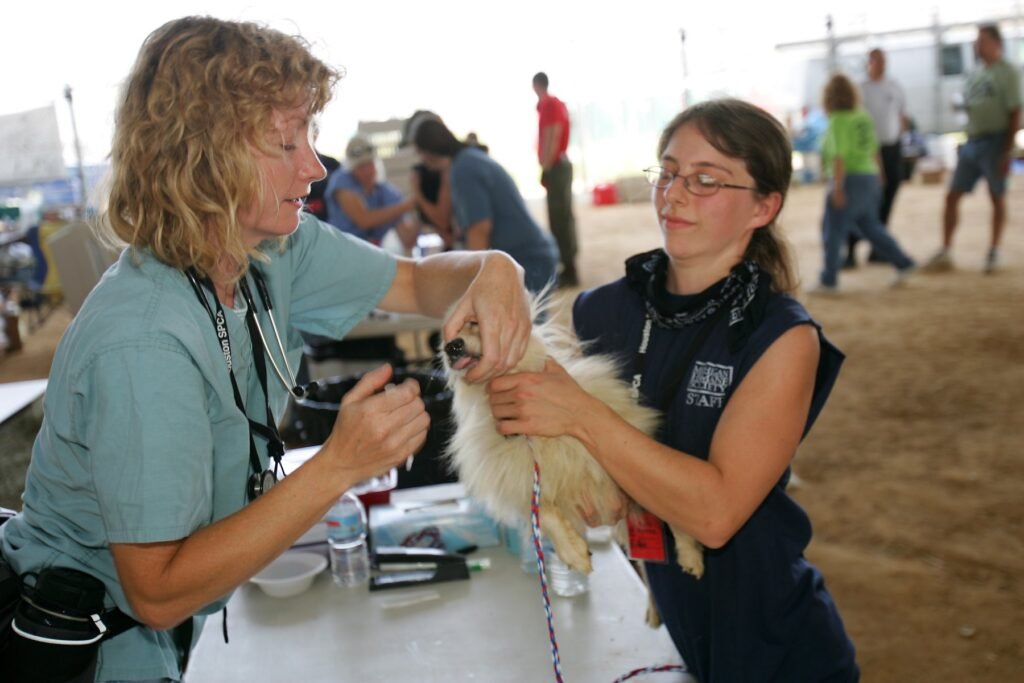
The most important advice from BrAVO is simple: don’t stop prescribed treatment unless your vet tells you to. Stopping too early, the group warns, can lead to permanent damage to the tear glands and a painful dry eye that threatens vision.
BrAVO also notes that even if diet turns out to play a part, changing food alone may not bring tear production back. So if you’re worried about what’s in your dog’s bowl, talk it through with your vet before swapping foods or skipping drops.
Cornell describes KCS as a chronic condition that usually needs lifelong treatment, often with medicated eye drops like cyclosporine or tacrolimus plus artificial tears. The good news is that catching it early tends to make dogs more comfortable and improve how things go.
💡 Good to know: BrAVO is asking UK vets to report every case of sudden dry eye, no matter what the dog eats. The more cases they can compare, the better the chance of finding the real cause.
Angel Jake Note 🐾
I think what makes this story so unsettling is the not knowing. When something goes wrong with our dogs, we want a clear reason. A bad batch. One ingredient. Something we can remove from the house. Right now, there isn’t one, and that’s hard.
But I also find some comfort in how this is being handled. Vets are pooling cases, a company ran more than 21,000 tests on its food, and scientists in Cambridge are digging into tear glands to look for answers. For the rest of us, the takeaway is small but real: take a second look at your dog’s eyes once in a while, and don’t brush off that goopy discharge.
Medical Disclaimer
I’m not a vet, and nothing here replaces a real exam. If something about your dog feels off, please trust that feeling and call your veterinarian.
Sources
- BrAVO: Statement on acute bilateral dry eye in dogs (September 23, 2026)
- STV News: Investigation into serious eye issues in dogs continues (2026)
- Pet Business World: Years investigation finds no evidence of contamination (2026)
- dvm360: Years says testing finds no food safety issues after dog eye disease UK reports (2026)
- Years: Investigation into a reported cluster of sudden bilateral KCS (PDF)
- Cornell Riney Canine Health Center: Keratoconjunctivitis sicca (KCS) in dogs