Put two bowls of food in front of a dog, and you’ll usually get a very quick decision. A sniff, maybe a second sniff, and then their face is in one bowl.
Now imagine one of those bowls is made with protein that didn’t come from a chicken or a fish at all. It came from microbes grown in a fermentation tank. Would your dog even care?
According to a new study, many dogs didn’t just accept it. They seemed to prefer it.
So what did the researchers test?
The study appeared in the journal PLOS ONE, and the findings were shared on September 23, 2026. It was written by Ally Motta de Matos and A.L.B. Cruz of MicroHarvest, a company in Portugal that makes microbial protein.
Microbial protein is protein made by tiny organisms like yeast, fungi, or bacteria during fermentation. It’s already being explored as an alternative to traditional animal protein, and pet food is one of the places people are looking.
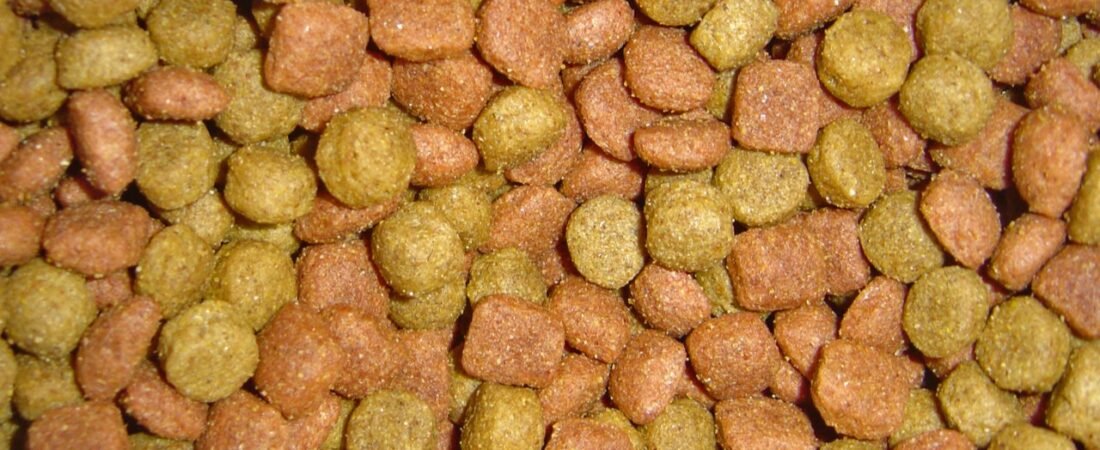
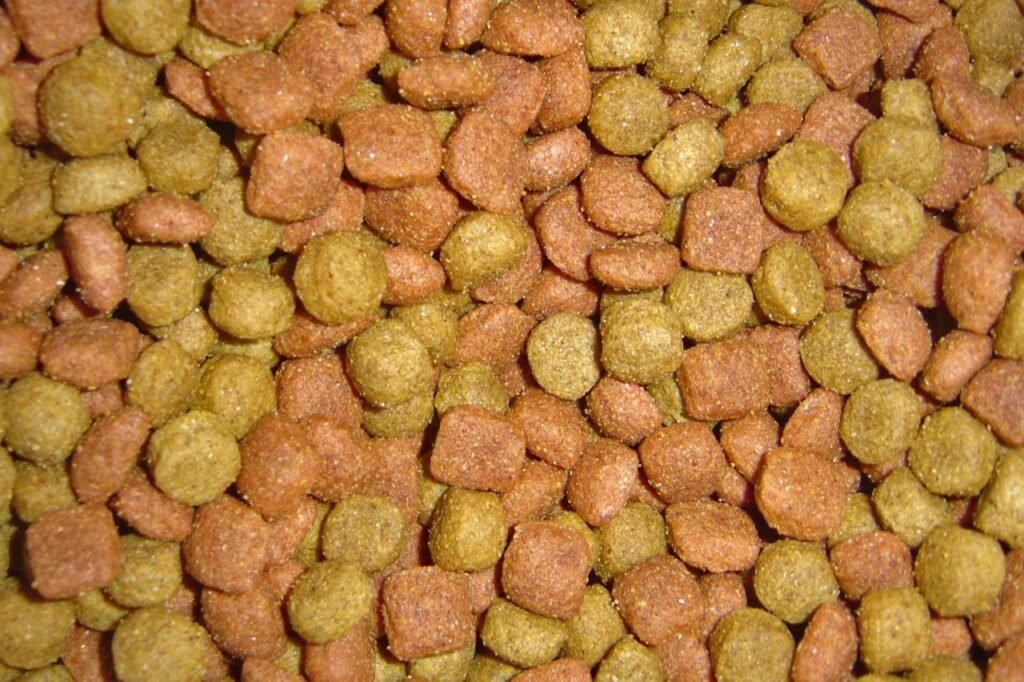
For this trial, the team made two versions of a dry kibble that were almost identical. The only real difference was the protein. In the test kibble, microbial protein made up 10% of the recipe, replacing the fish meal and part of the poultry meal.
Then they went into real homes.
Two bowls, four meals
The study included 30 dogs and 30 cats of different ages, sizes, and breeds. At each meal, owners set down both bowls at the same time, one with the standard kibble and one with the microbial-protein kibble. This happened for four meals in a row over two days.
The bowls were coded so owners didn’t know which was which, and they switched sides at every meal. That matters. Some dogs will happily eat from whichever side of the kitchen is closest, so swapping sides helps make sure the food is doing the choosing.
The trial itself was designed and run by an independent testing organization called Sense Test.
What the dogs chose
On average, the dogs ate about 72% of the microbial-protein kibble they were offered, compared with about 50% of the standard kibble.
They were also more likely to walk up to the microbial-protein bowl first and start eating from it. The cats showed the same pattern, eating about 51% of the new kibble versus 34% of the standard one.
💡 Did you know? In a two-bowl test like this one, scientists don’t only measure how much gets eaten. They also watch which bowl a pet approaches first and which one they actually start eating from. Both are clues to what a dog really prefers.
Why would dogs lean toward it? The study doesn’t answer that directly, since it measured what pets chose and not why. But an independent lab analysis of the two foods, reported by Earth.com, found a few small differences. The microbial-protein kibble had higher levels of tryptophan (an amino acid) and a lower ratio of omega-6 to omega-3 fats. Otherwise, the two recipes were very similar.
Why pet food companies care so much
A new ingredient can look great on paper. It can have all the right nutrients. But if dogs turn up their noses at it, it goes nowhere.
The authors put it simply: “Acceptance by the animal is an essential consideration when evaluating new ingredients for pet food.”
There’s a bigger reason people are interested, too. Microbial proteins generally need less farmland and water than traditional animal proteins and produce fewer greenhouse gas emissions. For an industry that relies heavily on meat and fish, an ingredient dogs actually want to eat could make a real difference.
What this study can’t tell us
This is where it’s worth slowing down a little.
First, the study was funded by MicroHarvest, and both authors work for the company. One of them, A.L.B. Cruz, is a co-founder and the chief technology officer. The feeding trial and the lab analysis were handled by outside organizations, which helps, but it’s still good to keep in mind.
Second, this was a short-term taste test: four meals over two days. It tells us what dogs preferred in the moment. It doesn’t tell us whether they’d still love it after six months, or how it would affect their health over time. The researchers themselves say more work is needed on long-term palatability and health outcomes across different life stages and breeds.
And third, a handful of owners noticed minor changes in their pets’ stool consistency during the trial. That’s not unusual when a dog eats something new, but it’s a reminder that even a small recipe change can show up in the backyard.
💡 Good to know: A food that disappears fast isn’t automatically the healthiest choice for your dog. Taste is only one piece. The right food also depends on your dog’s age, size, activity level, and any health needs, so it’s a great thing to talk through with your vet.
If you ever change your dog’s food (microbial protein or not), a slow switch is usually easier on their stomach than an overnight swap.
⚠️ Please don’t wait. If your dog has vomiting or diarrhea that doesn’t settle, has blood in their stool, stops eating, or seems unusually tired after a food change, call your vet. Tummy troubles can turn serious, especially for puppies and older dogs.
Angel Jake Note 🐾
“Food made by microbes” doesn’t exactly sound delicious, does it? But dogs don’t read ingredient labels. They trust their noses, and in this little test, their noses seemed pretty sure.
I’m not ready to call this the future of dog food based on four meals and a company-funded study. Still, I like that someone thought to ask the dogs. If kinder-to-the-planet food is coming to our bowls one day, it’s nice to know our dogs might actually enjoy it.
A Note on This Study
This post summarizes a published study for everyday dog lovers. One study can’t tell the whole story, and its findings may not apply to every dog. For the full methods and limitations, please see the original research linked in the Sources section.
Sources
- EurekAlert!: Kibble with microbial proteins appeals to cats and dogs in new study (2026)
- Scimex: Your cat or dog might prefer food made from fermented microbes
- Earth.com: Cats and dogs prefer a surprising new protein source in their food
- PetfoodIndustry: Dogs, cats prefer microbial protein kibble in study