Somewhere in the countryside of South Korea, a row of rusty cages now sits empty. That might not sound like good news at first. But for the dogs who used to live in them, it’s the best news they’ve ever had.
On September 29, 2026, more than 70 dogs were carried out of a dog meat farm in Gangjin, in the country’s far south. The group that rescued them calls it its final large-scale farm rescue in Korea, because in a few months, the whole industry is supposed to be gone.
What happened in Gangjin
The rescue was led by Humane World for Animals, the international animal protection group formerly known as Humane Society International. The group says the farm had once bred and slaughtered as many as 1,000 dogs a year.
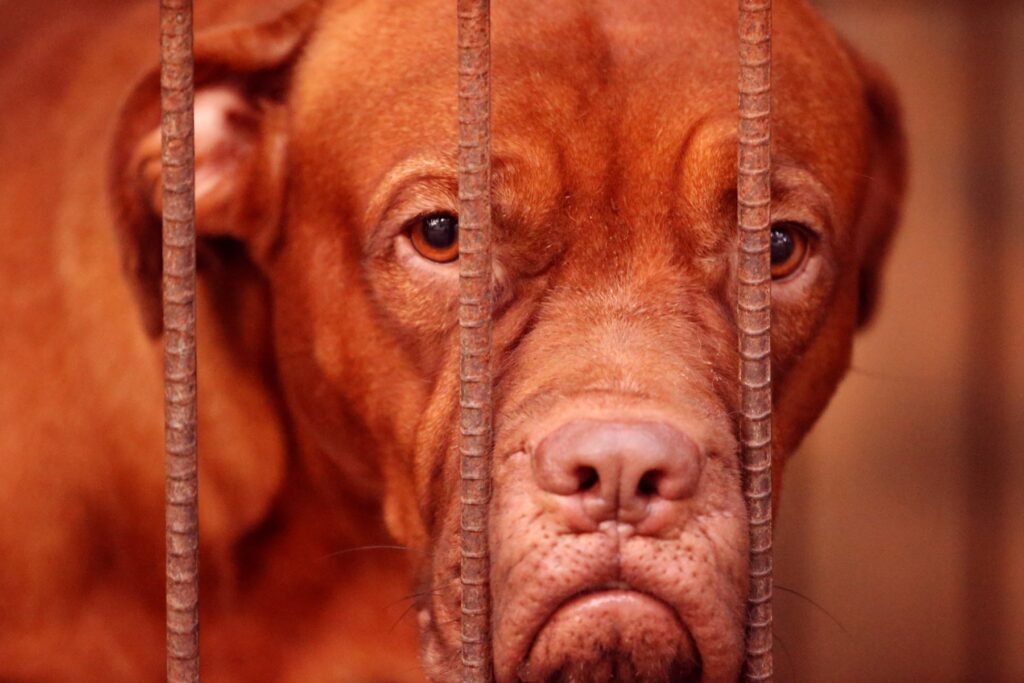
The Hankook Ilbo, one of Korea’s major daily newspapers, described what rescuers found: rows of empty, rusted cages, and on the floor, the bones and collars of dogs that seemed to have died long ago. UPI reported that the team removed dogs over several days, including mothers and puppies, with 38 taken out on the final day.
The farm came to light earlier this year when a member of the public tipped off a Korean animal protection group, which passed it on to Humane World for Animals. Local officials found violations of the Animal Protection Act. The 80-year-old farmer handed over the remaining dogs and promised to leave the dog meat business.
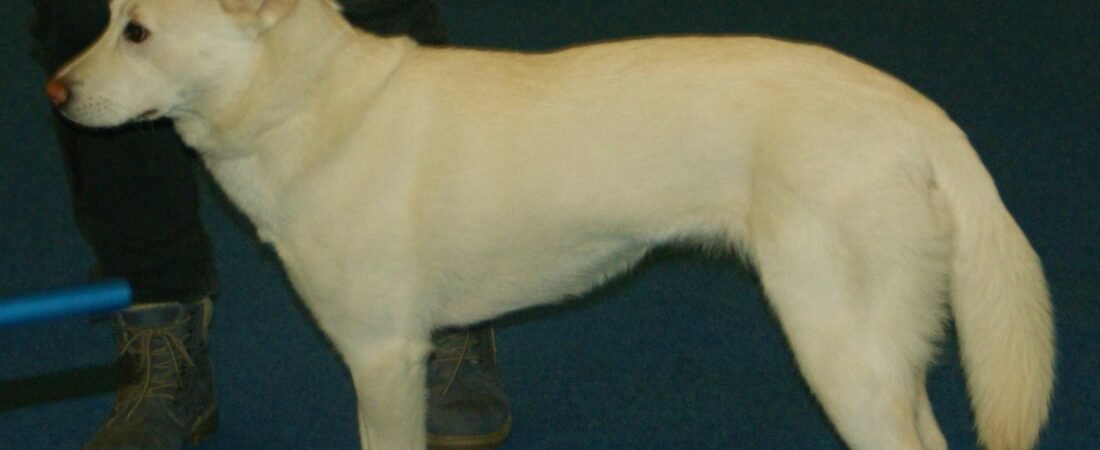
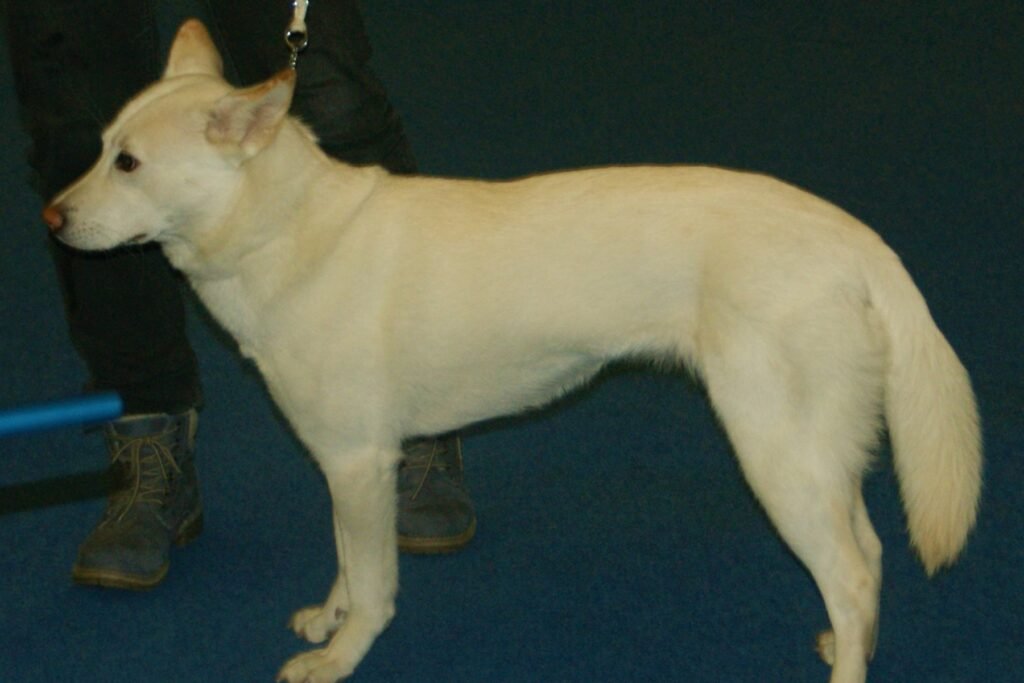
The dogs were a real mix. Jindos, a German shepherd, a corgi mix, a husky mix, and several spitz mixes, along with other small and medium-sized dogs. Lee Hye-won, a team leader at the group, told the Hankook Ilbo that most were two years old or younger, and many were used to being handled by people.
Sangkyung Lee, the group’s Korea campaign manager, told UPI that many of the dogs were smaller mixed breeds rather than the larger Jindos and Tosas usually raised for meat. Some seem to have been bought or taken from nearby villages as companion dogs before ending up at the farm. “One particular thing I can notice is that there are many chains and collars in cages,” Lee said.
💡 Did you know? According to UPI, the farm’s closure plan declared 20 dogs, but the team counted more than 60 once the rescue began. The Agriculture Ministry responded that the farm’s July 2024 plan had listed 140 dogs, and said it would carry out special inspections of all dog farms in November and December.
Where the dogs are going now
For these dogs, the next chapter is just beginning. UPI reported that nearly 30 of them have already arrived in New York and will be cared for at Humane World for Animals’ rehabilitation center in Maryland before being adopted. Another 12 went to Montreal. Some mothers and young puppies will stay in Korea until early next year.
The Korea Daily, a Korean-American newspaper, reported that some of the rescued dogs are expected to travel to Los Angeles and other U.S. cities in early 2027 once adoption arrangements are in place.
Since 2015, the group says it has rescued nearly 3,000 dogs from Korean dog meat farms. “To be conducting our final farm rescue is an incredibly profound moment,” Sangkyung Lee said. “These 70 dogs are among the very last few to suffer in this dying industry.”
How Korea got here
When Humane World for Animals began its Korea campaign in 2015, it estimated that more than 2 million dogs were living on meat farms. Wendy Higgins, the group’s director of international media, told UPI that this final rescue “isn’t a day, if I’m really honest, I ever imagined would come.”
Dog meat, usually eaten as a stew called bosintang, was traditionally tied to Bok Nal, the hottest days of the Korean summer, when some people believed it helped restore strength. UPI notes that the custom has faded a lot, especially among younger Koreans. A December 2023 survey by the Seoul-based group Aware found that 82% of respondents supported a ban, and more than 93% said they didn’t plan to eat dog meat in the future.
Politics took longer to catch up. Former President Moon Jae-in raised the idea of a ban in 2021, but a government task force struggled to agree on compensation and timelines. Then, in January 2024, the National Assembly passed the special law unanimously. It gave the industry a grace period to wind down, and from February 7, 2027, breeding, slaughtering, distributing, and selling dogs for food will be illegal.
There’s a quieter change happening, too. A government survey released this year found that nearly 30% of Korean households now have pets, UPI reported, and dogs live in over 80% of those homes.
The hard part nobody likes to talk about
The ban is real progress. Humane World for Animals says that by May 2026, 1,265 of Korea’s 1,537 registered dog meat farms, about 82%, had closed. Only 272 were still operating.
But closing a farm doesn’t automatically mean the dogs on it are saved. According to the Agriculture Ministry figures cited by the Hankook Ilbo, from the law’s passage through May of this year, only 1,121 dogs from closed farms were adopted or sent to public shelters. That’s about 0.3% of the total.
That’s why rescues like this one still matter, even with the end in sight. Ahn Myung-ok, who leads the group’s Korea office, urged the government and local authorities to keep up strict enforcement so illegal dog meat activity doesn’t continue in blind spots after the law takes effect.
💡 Good to know: A dog who has spent most of their life on a farm may find ordinary home life brand new. Things we don’t even notice, like stairs, a TV, or the sound of a vacuum, can feel strange or scary at first. If you ever adopt a dog with a past like this, give them a quiet space and plenty of time, and lean on your rescue group and your vet for support.

What you can do from home
You don’t need to live in Korea to care about this. If you’re in the U.S. or Canada and you’ve been thinking about adopting, it’s worth asking local rescues whether they work with dogs from overseas, or whether they need foster homes while dogs settle in.
And if you share your home with a Jindo or a Jindo mix, this is a good moment to appreciate where the breed comes from. Jindos were among the dogs carried out of Gangjin in late September, and every one of them is now on the way to a different kind of life.
Angel Jake Note 🐾
Those chains and collars on the cage floors are hard to forget. Rescuers think some of these dogs may once have been companion dogs in nearby villages, and a collar is such a small, ordinary thing. That detail makes this story feel a lot less far away.
It’s also hard to read the 0.3% number and feel only happy. But I don’t want that to cancel out what happened in Gangjin. More than 70 dogs, most of them young and used to people, now get a real chance at a couch and a family. In a few months, a whole industry is supposed to close for good. That’s worth celebrating, even while we keep asking for better.
A Note on This Story
This post summarizes the reports and official sources linked in the Sources section. Details can change as a story develops, so please check those sources for the latest updates.
Sources
- Humane World for Animals: Seventy lucky dogs escape dog meat fate in South Korea ahead of country’s historic 2027 ban (September 30, 2026)
- UPI: A final farm rescue as South Korea’s dog meat trade nears end (October 2, 2026)
- Hankook Ilbo (한국일보): 개 식용 종식법 시행 4개월여 앞두고… 강진 개농장서 70여마리 구조 (2026)
- World Animal News: More than 70 dogs rescued from South Korean dog meat farm ahead of nationwide ban (2026)
- Korea Daily (미주중앙일보): 개농장서 구조한 70마리 미국서 새 출발 (2026)