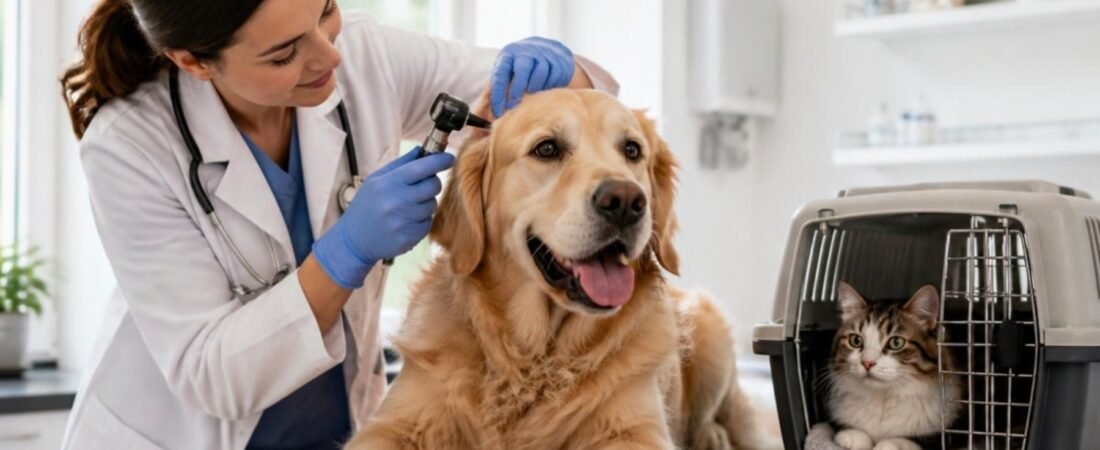
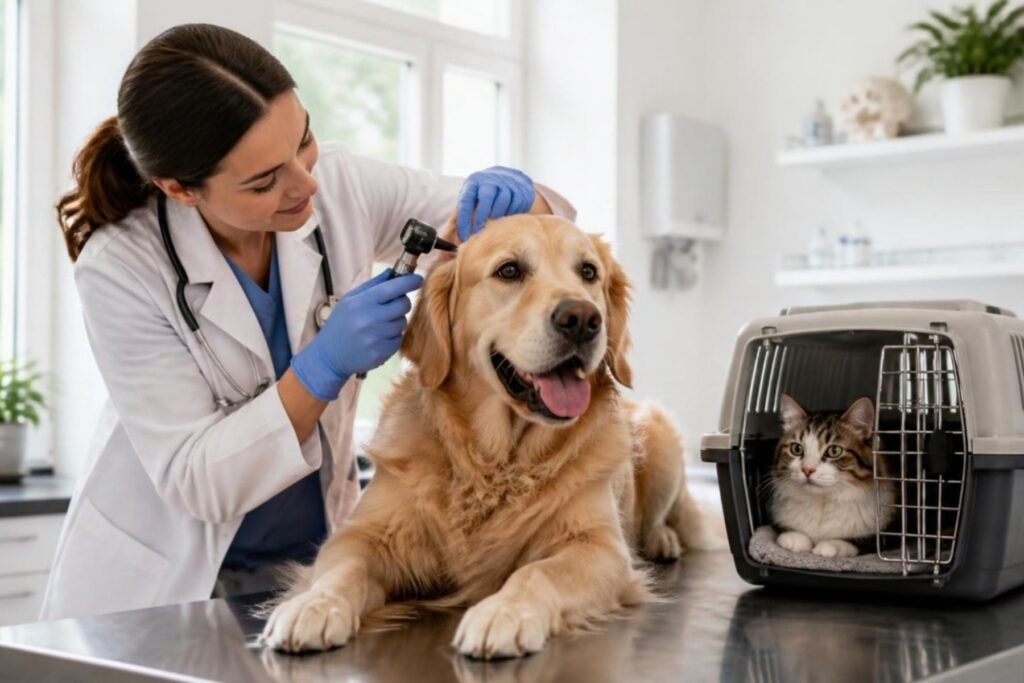
We share our couches, our beds, and sometimes even our pillows with our pets. So it probably won’t surprise you that we share some of our germs, too. But a new study has found something worth paying attention to: many of the drug-resistant bacteria living in dogs and cats are close relatives of the ones found in people.
Before anyone panics, I want to say this clearly, because the researchers did too. This study does not mean your pet is making you sick. But it does help explain why vets and doctors are starting to think about our health and our pets’ health as one connected story.
What the researchers looked at
The study was published on September 10, 2026, in the journal Transboundary and Emerging Diseases. It was led by Dr. Stephen Fordham at Bournemouth University and University Hospitals Dorset in the UK.
The team focused on one bacterium, Klebsiella pneumoniae. It often lives quietly in the gut, but in the wrong place it can cause pneumonia, urinary tract infections, and bloodstream infections.
They analyzed the genetic code of 712 samples from dogs and cats in 25 countries and compared them with more than 38,000 samples linked to people from 88 countries.
What they found
Here’s what stood out:
- About 87% of the pet strains matched strain types that also circulate in people.
- About 43% of the pet samples carried common antibiotic-resistance genes.
- Nearly 14% carried genes that resist carbapenems, a group of powerful antibiotics that doctors often save for the most serious infections.
- Multidrug resistance, meaning resistance to three or more types of antibiotics, showed up in 80% of the cat samples and 56.3% of the dog samples.
One strain in particular, called ST147, appeared again and again, and some versions found in cats, dogs, and people were almost genetically identical.
💡 Did you know? The World Health Organization lists carbapenem-resistant bacteria like these among its “critical” priority pathogens, the group it considers the most urgent threat when it comes to antibiotic resistance.
So are pets passing these germs to us?
Not necessarily, and this is the most important part.
Dr. Fordham said plainly that “this study does not tell us that our pets are making us ill.” Finding very similar bacteria in pets and people shows that they belong to the same big, shared pool of germs moving around the world. It doesn’t show that a particular pet infected a particular person, or the other way around. Bacteria can travel in both directions, and they can also come from hospitals, food, water, and the environment.
What the study does show is that pets have been a bit of a blind spot. Most tracking of antibiotic resistance focuses on people and farm animals. The researchers believe companion animals should be part of that picture too.
Why this matters: the “One Health” idea
Scientists have a name for this way of thinking: One Health. It’s the idea that the health of people, animals, and the environment is all connected. When antibiotics are overused anywhere (in hospitals, on farms, or at home), resistant bacteria can spread and share their resistance genes with other bacteria.
That means the choices we make for our pets matter for everyone.
What we can do as pet parents
None of this means we need to love our pets any less. A few simple habits go a long way:
- Use antibiotics only when your vet prescribes them, and give the full course exactly as directed, even if your pet seems better.
- Never give your pet leftover antibiotics or medicine meant for people.
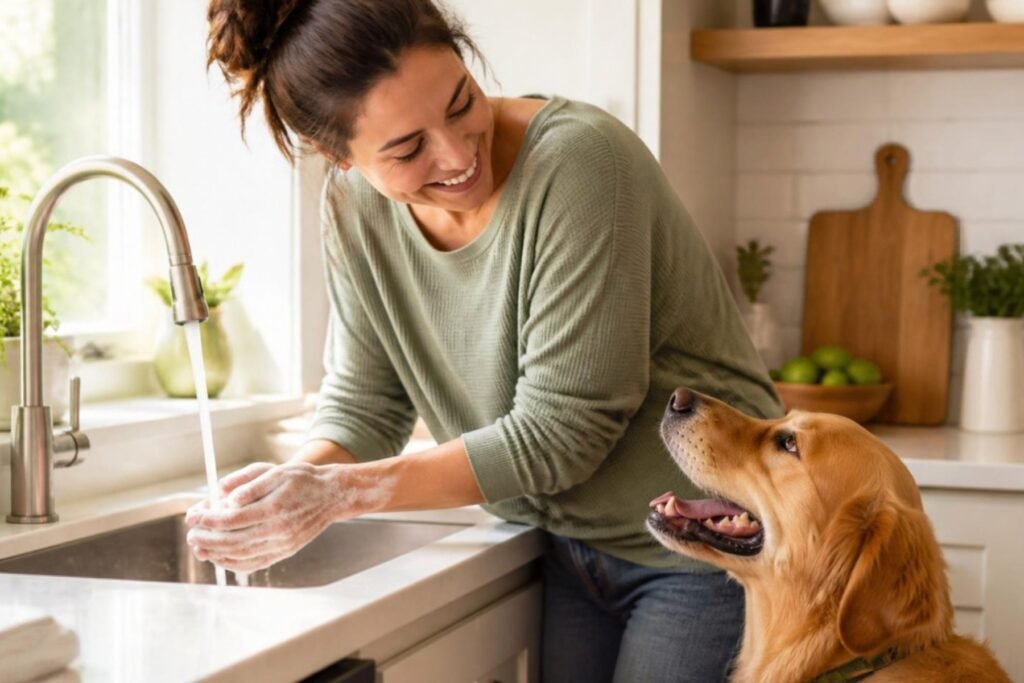
- Wash your hands after picking up poop, cleaning litter boxes, or handling a pet who is sick.
- Keep up with vet visits, so infections are caught early and treated with the right medicine.
- Tell your doctor you have pets if you’re being treated for a stubborn infection, and tell your vet if someone at home has one.
💡 Good to know: if your dog or cat has an infection that isn’t clearing up, ask your vet whether a culture test makes sense. It shows which antibiotic will actually work, so your vet doesn’t have to guess.
Study limits worth knowing
Because the study looked at genetic similarity, it can’t tell us how often bacteria actually pass between pets and people in daily life, or in which direction. Answering that will take more research.
Angel Jake Note 🐾
When I first read the headline, my heart skipped a little. But the more I read, the more it felt like a reminder rather than a warning. Our pets are part of our families, and that means their health and ours are tied together in more ways than we see.
So let’s keep the cuddles, wash our hands, follow our vet’s advice on medicine, and look after the little lives that look after us.
Medical Disclaimer
I’m not a vet, and nothing here replaces a real exam. If something about your dog feels off, please trust that feeling and call your veterinarian.
Sources
- EurekAlert!: Dogs and cats carry antibiotic-resistant bacteria also found in people, study finds (2026)
- Earth.com: Dogs and cats are carrying antibiotic-resistant bacteria that closely match strains in humans
- StudyFinds: 87% of drug-resistant bacteria in pets match strains seen in humans
- World Health Organization: Bacterial Priority Pathogens List 2024