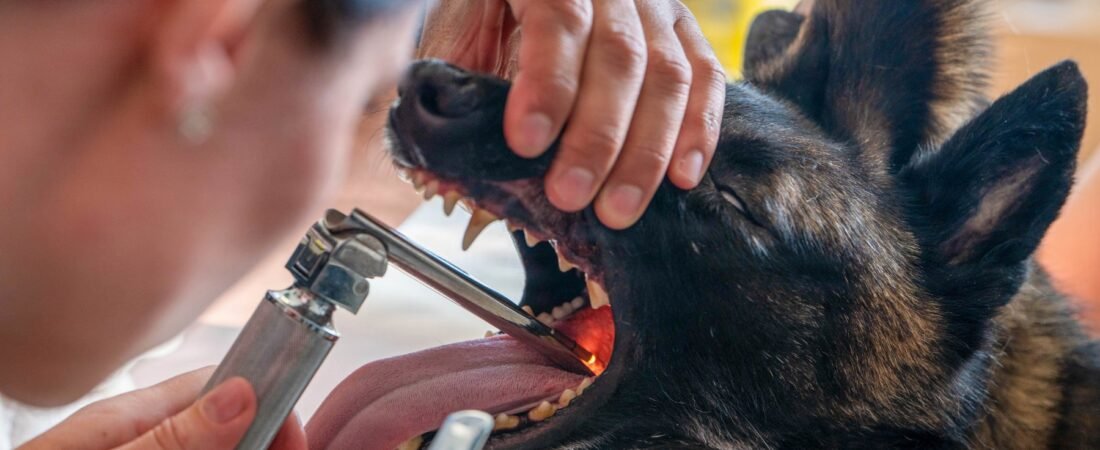
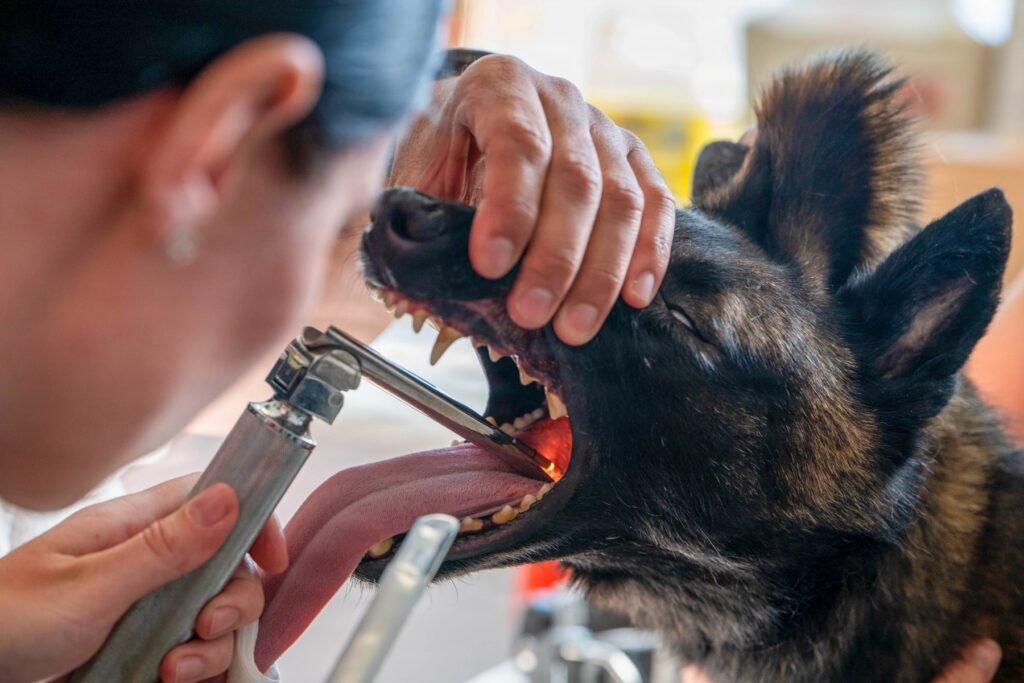
For most of us, the first clue is the breath. Your dog leans in for a cuddle and — oof. It’s easy to laugh it off as “just dog breath.” But breath that stays bad can be one of the earliest signs that something is going on in your dog’s mouth.
Dental disease is incredibly common in dogs. According to the American Animal Hospital Association, most dogs and cats already have some degree of periodontal disease by the time they’re three years old.
The good news? This is something we can really do something about. Regular dental checkups, professional care when it’s needed, and a little bit of care at home can protect your dog’s teeth and gums before small problems turn into painful ones.
What dental disease actually is
When people talk about dental disease in dogs, they usually mean periodontal disease. It starts with plaque — a sticky film full of bacteria that builds up on the teeth and along the gumline. If it isn’t removed, minerals in saliva harden it into tartar (also called calculus).
But the brown or yellow buildup you can see isn’t really the biggest problem. Plaque and bacteria also collect below the gumline, where they cause inflammation and slowly damage the tissue and bone that hold the teeth in place. That’s why a dog can have more serious dental disease than you’d ever guess from looking at their front teeth.
Plaque vs. tartar
People use these words interchangeably, but they’re a little different. Plaque is the soft bacterial film. Tartar is what happens when plaque hardens.
Plaque starts building up again very quickly after a cleaning, which is why home care matters so much. Brushing removes plaque before it has time to harden. Once thick tartar is there, though, brushing usually can’t get it off — that’s when professional cleaning comes in.
Signs to watch for
Bad breath is the most common sign, but not the only one. You might notice:
- breath that stays bad
- yellow or brown buildup on the teeth
- red, swollen, or bleeding gums
- loose or broken teeth
- more drooling than usual
- trouble chewing, or dropping food
- chewing on only one side
- pawing at the mouth or face
- not wanting hard food anymore
- swelling around the face or jaw
- behavior changes from mouth pain
Here’s the part that gets me: a lot of dogs keep eating even when their mouth hurts. Dogs are really good at living with chronic discomfort, so a dog who isn’t crying or refusing food isn’t necessarily pain-free. That’s what makes dental disease so easy to miss.
Is bad breath ever normal?
A little smell right after eating can be normal. Strong breath that sticks around is different. AAHA notes that bad breath is often one of the first things owners notice as dental disease develops.
If your dog’s breath has gotten noticeably worse — especially with tartar, red gums, bleeding, or trouble chewing — please have their mouth checked. Covering it up with sprays or treats doesn’t fix what’s underneath.
The stages of periodontal disease
Vets usually describe periodontal disease in stages, based on how much damage has happened to the tissues supporting the teeth.
Stage 1: Gingivitis
The gums are inflamed, but the structures holding the teeth haven’t been damaged yet. You might see red gums, mild swelling, bad breath, or a little bleeding. This is the earliest stage, and the most reversible with proper care.
Stage 2: Early periodontitis
The disease has started damaging the tissue around the tooth, and there may already be some loss of attachment between the gum and tooth.
Stage 3: Moderate periodontitis
There’s more significant tissue and bone loss. Teeth may be painful or a little unstable, and treatment may need to be more involved.
Stage 4: Advanced periodontitis
A lot of supporting tissue and bone is gone. Teeth may be loose, painful, infected, or need to be removed.
The exact stage usually can’t be judged just by looking in an awake dog’s mouth. It often takes probing around the teeth and dental X-rays under anesthesia. AAHA’s dental guidelines emphasize staging and a complete oral exam as part of real dental care.
Why dental X-rays matter
So much of each tooth is hidden under the gumline. X-rays can show bone loss, root disease, fractured roots, leftover root pieces, abscesses, and other problems nobody could see otherwise. That’s why a proper veterinary dental cleaning is so much more than scraping off the visible tartar. The goal is to care for the whole mouth, including the parts we can’t see.
Why anesthesia?
I know this is the part that worries a lot of dog parents. I understand that completely.
A full dental procedure means examining every surface of every tooth, probing around the gumline, cleaning above and below the gums, polishing, and often taking X-rays. General anesthesia lets the team do all of that safely and thoroughly, without pain or stress for your dog. AAHA’s guidelines specifically include anesthesia as an important part of safe, complete dental care.
Before anesthesia, your vet will look at your dog’s overall health and may recommend bloodwork or other tests depending on age and history. The decision should always be about your individual dog’s risks and needs — and it’s completely okay to ask your vet every question you have.
What about anesthesia-free cleanings?
They can sound really appealing, especially if you’re nervous about anesthesia. But there’s an important limitation: removing the visible tartar doesn’t allow a full exam or cleaning below the gumline, which is where periodontal disease does its most important damage. AAHA discusses the limitations and risks of non-anesthetic dental procedures in its guidelines.
Your dog’s teeth might look cleaner afterward while disease under the gums goes untreated. Looking clean and being healthy aren’t the same thing.
How it’s treated
It depends on what your vet finds. A professional dental procedure may include a full oral exam, X-rays, scaling above and below the gumline, polishing, probing, treating diseased gums, and removing teeth that are too damaged or painful to save.
Not every dog with tartar needs a tooth pulled. And not every rough-looking tooth can safely stay. It really depends on each tooth and what’s happening underneath.
Do dogs feel better after bad teeth are removed?
It’s natural to worry that losing teeth will make eating hard. But a badly diseased tooth can hurt. When it can’t be saved, removing it takes away a source of infection and ongoing pain, and many dogs adapt amazingly well. The goal isn’t to keep as many teeth as possible — it’s a mouth that feels comfortable and healthy.
What you can do at home
The most helpful habit is also the simplest: brushing your dog’s teeth, ideally every day. Brushing removes plaque before it hardens into tartar.
If your dog has never had their teeth brushed, please don’t expect to do the whole mouth perfectly on day one. Start small. Let them taste the dog toothpaste. Gently touch their lips and gums. Introduce the brush slowly over a few days or weeks. A calm, happy few seconds is worth more than a long battle.
Never use human toothpaste
💡 Good to know: Human toothpaste isn’t made to be swallowed, and some human dental products contain ingredients that aren’t safe for dogs. Dogs can’t rinse and spit, so use toothpaste made specifically for them.
Do dental chews actually work?
Some do. But not every product labeled “dental” has evidence behind it. The Veterinary Oral Health Council reviews products that have shown they work against plaque, tartar, or both, and products that pass earn the VOHC Seal of Acceptance — that includes certain chews, diets, water additives, toothpastes, and brushes. Your dog doesn’t need all of them, but the seal is a good place to start.
I’d think of chews as a helpful extra, not a replacement for brushing. Brushing physically breaks up plaque along the gumline in a way chews can’t fully match. For many dogs, the best plan is professional care plus whatever home routine you can realistically keep up.
Water additives
Some water additives have earned VOHC acceptance too, and they can be part of a routine. But they won’t heal a tooth that’s already infected or painful. If your dog already has heavy tartar, bleeding gums, loose teeth, or obvious mouth pain, a water additive isn’t a substitute for a vet visit.
Be careful with really hard chews
💡 Did you know? Bones, antlers, and very hard toys can actually break teeth. A chew doesn’t need to be rock-hard to help. If you’re not sure what’s right for your dog’s size, chewing style, or teeth, ask your vet — especially if your dog already has damaged teeth.
Small dogs may need a little extra care
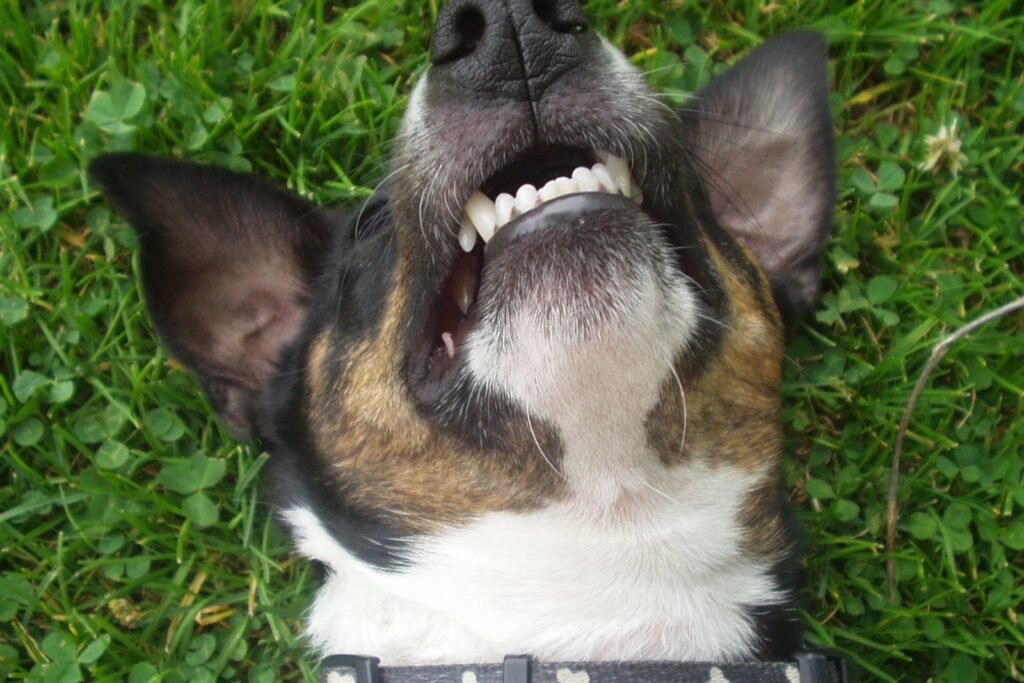
Any dog can get dental disease, but small dogs often develop it earlier. Their teeth are crowded into smaller mouths, which makes plaque harder to control. That doesn’t mean every small dog will have serious problems, but it’s worth paying extra attention to checkups and home care.
How often does a dog need a cleaning?
It really depends on the dog — their age, breed, how their teeth line up, past dental problems, your home routine, their diet and chewing habits, and how quickly they build up plaque. Instead of a fixed schedule, your vet can check their mouth at routine visits and recommend a cleaning when it’s needed.
When to see the vet
Make an appointment if you notice bad breath that won’t go away, heavy tartar, red or bleeding gums, a broken or loose tooth, trouble eating, or signs of mouth pain. Go sooner if your dog has real facial swelling, suddenly stops eating, is bleeding from the mouth, or seems to be in a lot of pain.
Dental problems don’t get better by waiting. Catching them earlier usually means more options and less pain for your dog.
The numbers from Korea are striking too. A 2025 Chonnam National University study in the journal Animals reviewed 2,201 dogs who had permanent teeth pulled at two Korean dental hospitals, and periodontal disease caused 82% of those extractions. Miniature Schnauzers, Yorkshire Terriers, and Miniature Poodles lost the most teeth to it, Daily Vet (데일리벳) reported.
Angel Jake Note 🐾
Dental care is so easy to put off, because our dogs can’t tell us, “My tooth hurts.” They can still wag their tail, eat their dinner, and seem mostly fine while living with a sore tooth or inflamed gums. That thought honestly breaks my heart a little.
You don’t have to build a perfect routine overnight. If your dog has never had their teeth brushed, start with a few seconds. If you’re not sure whether the tartar you see is serious, ask at your next vet visit. And if your dog already seems to be in pain, please don’t rely on chews or sprays — get them seen.
Sometimes the kindest thing we can do is notice the pain they can’t explain to us.
A few quick questions
How common is dental disease in dogs?
AAHA says most dogs and cats have some form of periodontal disease by about three years old.
Can I scrape tartar off at home?
Brushing helps prevent plaque, but tartar that’s already there — and disease under the gums — usually needs professional care. Scraping at home can hurt your dog’s gums or teeth.
Is brushing once a week enough?
Some brushing is always better than none. But plaque forms every day, so the more often you can brush (ideally daily), the better.
Can a dog eat normally after losing teeth?
Many dogs do really well after necessary extractions. Your vet may suggest softer food for a little while as the mouth heals.
Veterinary Sources
I used veterinary dental guidance from the American Animal Hospital Association and the Veterinary Oral Health Council.
- 2019 AAHA Dental Care Guidelines for Dogs and Cats
- Veterinary Oral Health Council: Accepted Products
- 데일리벳: 국내 반려견 발치 환자 2,201마리 분석해보니..주요 원인은 치주질환
Related Reading
- How Often Should Your Dog Go to the Vet? A Simple Guide by Life Stage
- Caring for a Senior Dog: Changes You Shouldn’t Ignore as Your Dog Gets Older
Medical Disclaimer
I’m not a vet, and nothing here replaces a real exam. If something about your dog feels off, please trust that feeling and call your veterinarian.