
If your dog goes to daycare, boarding, the groomer, training classes, or just spends a lot of time around other dogs, you’ve probably heard of the Bordetella vaccine. Most of us know it as “the kennel cough shot.”
That name is a little misleading, though. Bordetella bronchiseptica is only one of several germs that can cause what’s called canine infectious respiratory disease complex — the thing we all call kennel cough. Other viruses and bacteria can be involved too, so a Bordetella vaccine can’t promise your dog will never cough after a week of playdates.
Still, for dogs who are around other dogs a lot, it can be an important way to lower the risk. So let’s talk about who actually needs it, how often, and why your boarding place might have different rules than your vet.
What is Bordetella?
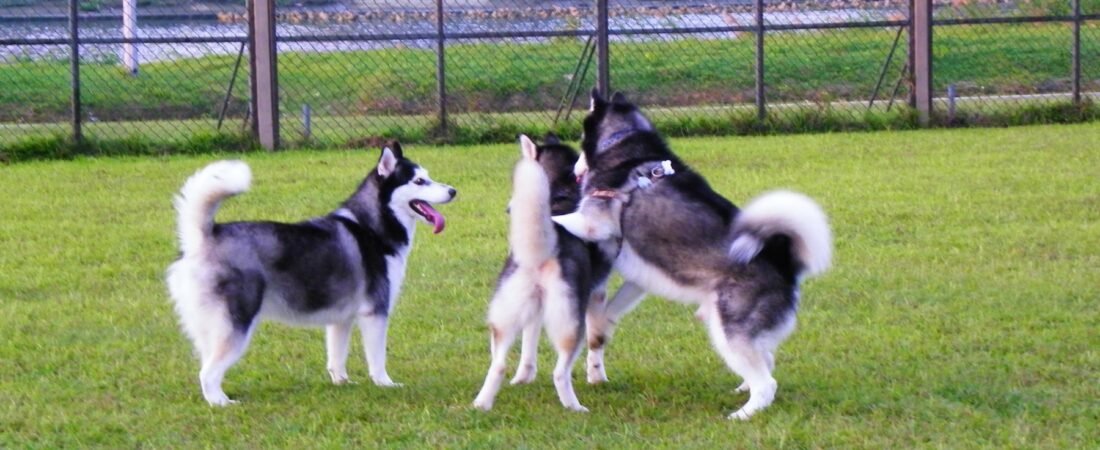
It’s a bacterium that can infect a dog’s respiratory tract. Dogs pass it to each other through coughs and sneezes, direct contact, and shared things like water bowls and toys. So the more time a dog spends in close quarters with other dogs, the more chances they have to pick it up.
That’s why daycares, boarding kennels, groomers, dog parks, training classes, dog shows, and shelters are the usual places people think about it — and why so many facilities ask for proof of vaccination before your dog walks in.
Does every dog need it?
Not necessarily. AAHA classifies Bordetella as a noncore vaccine, which means it’s recommended based on your dog’s lifestyle and exposure, not automatically for every dog.
A dog who rarely meets other dogs has a very different risk than one who goes to daycare several days a week. That’s why your vet might ask things like: Does your dog go to daycare? Do you board them when you travel? Visit dog parks? Go to classes or the groomer? Your answers help your vet decide whether it makes sense for your dog.
How is it given, and how often?
This is where it gets confusing, because the schedule depends partly on which type of vaccine your dog gets. Bordetella vaccines can be given in the nose (intranasal), in the mouth (oral), or as a shot under the skin.
According to AAHA guidance, the intranasal and oral versions can generally be started with a single dose. The injectable version may need two initial doses given 2 to 4 weeks apart, depending on the product and your dog’s history. After that, AAHA lists yearly revaccination for dogs who are still at risk. The exact schedule should always follow the specific product and your vet’s advice.
Why does my boarding place want it every 6 months?
This one trips up a lot of people. Your vet says once a year, but the boarding facility wants it within the last six months. That doesn’t mean either one is wrong. Veterinary recommendations and facility rules just aren’t always the same. AAHA’s general guidance is yearly for at-risk dogs, but each daycare, kennel, groomer, or trainer can set their own rules based on how closely dogs mix there.
💡 Good to know: Before you book a vaccine just for boarding, it really helps to ask the facility a few questions: How recent does it need to be? Do you accept oral, intranasal, and injectable vaccines? Does my dog need to wait a certain amount of time after the vaccine before coming in? That last one matters a lot if you’re vaccinating right before a trip.
How fast does it work?
There isn’t one answer, because the different types work a bit differently. Intranasal vaccines are designed to build immunity right in the respiratory tract, and AAHA notes the intranasal route is generally preferred for respiratory germs when it’s appropriate.
But please don’t assume a vaccine given the day before boarding means instant protection. If you know a trip or a daycare start date is coming, talk timing with your vet and check the facility’s rules well ahead of time.
Can a vaccinated dog still get kennel cough?
Yes — and I think this is the most important thing to know. Kennel cough isn’t caused by just one germ. It can involve Bordetella, parainfluenza virus, adenovirus, Mycoplasma, and others. Cornell describes it as a collection of respiratory diseases, not one single infection.
💡 Did you know? So a dog can be vaccinated against Bordetella and still get sick from something else. Even when Bordetella is involved, the vaccine doesn’t block every infection. The goal is to lower the risk and often make illness milder, not to promise complete protection. If your vaccinated dog still gets a cough, you didn’t do anything wrong.
What does kennel cough sound like?
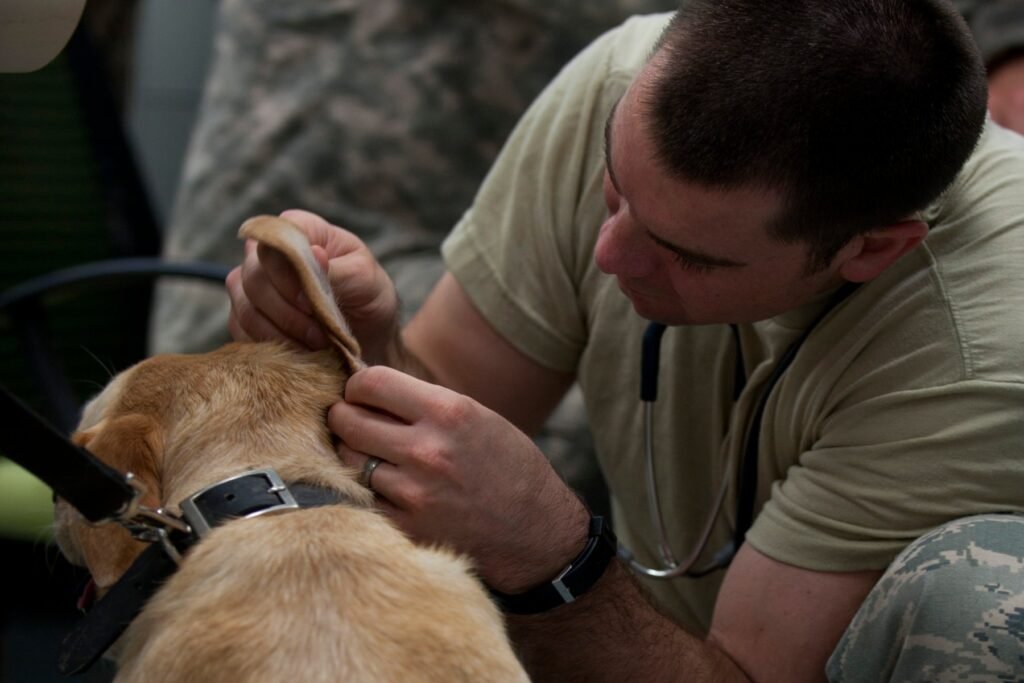
The classic sign is a sudden, dry, harsh cough. People often describe it as a honk, a gag, like something is stuck in their throat, or constant throat clearing. Some dogs also have a runny nose, eat a little less, or seem tired.
Many mild cases get better with supportive care. But please don’t assume every cough is kennel cough — heart disease, pneumonia, airway problems, and other conditions can cause coughing too.
When to call the vet
Call your vet if your dog has a cough that isn’t going away, especially after being around other dogs. Get help sooner if they also have:
- trouble breathing
- a lot of tiredness
- a fever
- loss of appetite
- thick or pus-like nasal discharge
- a wet cough
- symptoms that are getting worse, not better
Respiratory illness can become more serious, especially in puppies and dogs with other health problems. And while your dog is coughing, it’s kind to keep them home from daycare, boarding, and dog parks until your vet says it’s okay.
Is the vaccine safe?
Vaccines can have side effects, but serious reactions are uncommon. After an intranasal vaccine, some dogs have mild sneezing, coughing, or a runny nose for a few days — older WSAVA guidance mentions this can happen. Some dogs are a little tired or sore for a bit.
If your dog has had a vaccine reaction before, has a health condition, or takes medication that affects the immune system, talk to your vet first. And if you ever see facial swelling, collapse, or trouble breathing after a vaccine, treat it as an emergency.
Bordetella isn’t the canine flu vaccine
These are two different vaccines. Bordetella vaccines target Bordetella bronchiseptica. Canine influenza vaccines protect against certain strains of the dog flu virus. Since both can be part of respiratory outbreaks, your vet might recommend both for very social dogs — AAHA lists both among lifestyle-based vaccines. One doesn’t replace the other.
What if my dog is mostly indoors?
They might not need it — but “indoor dog” doesn’t always mean “low risk.” An apartment dog who goes to daycare five days a week may have far more exposure than a farm dog who rarely meets anyone new. It’s really about contact with other dogs, not where your dog sleeps. If your dog doesn’t spend time around unfamiliar dogs, your vet may decide it isn’t needed.
What about puppies?
Puppies can get Bordetella vaccines, but the minimum age and first schedule depend on the product. AAHA separates intranasal, oral, and injectable versions, so there isn’t one puppy schedule that fits every vaccine. That’s why it’s more helpful to ask your vet which product your puppy got than just “did they get the kennel cough shot?” And if puppy classes, daycare, or grooming are coming up, let your vet know so they can plan for it.
In Korea, an oral kennel cough vaccine (Recombitek Oral KC) became available in 2022. Daily Vet (데일리벳) noted that even though the Bordetella vaccine is classed as non-core in the US, it’s widely recommended in practice, and groomers, daycares, and puppy classes often ask for proof of it.
Angel Jake Note 🐾
I think Bordetella is such a good example of why vaccines aren’t a one-size-fits-all checklist. Two healthy dogs the same age can need completely different things — one practically lives at daycare, the other rarely meets a stranger.
To me, the point isn’t giving every vaccine just because it exists. It’s understanding why your dog might need it.
And a little tip from the heart: if you use daycare or boarding, check their vaccine rules before you actually need the reservation. Finding out the night before a trip that your dog’s vaccine doesn’t meet their requirements is a stress none of us need.
A few quick questions
How often do dogs need it?
For dogs at risk, AAHA generally recommends once a year. The exact schedule can depend on the vaccine, your dog’s exposure, and what your facility requires.
Does it protect against dog flu?
No. Bordetella and canine influenza are different infections with different vaccines.
Is it required for daycare?
Many places require it, but rules vary. Always check with your specific daycare or boarding facility.
Veterinary Sources
I used canine vaccination guidance from the American Animal Hospital Association and the American Veterinary Medical Association.
- 2022 AAHA Canine Vaccination Guidelines
- AVMA: Vaccinating your pet
- 데일리벳: 구강접종으로 간편한 반려견 켄넬코프 예방, 리콤비텍 오랄 KC 출시
Related Reading
- Dog Vaccination Schedule: What Vaccines Does Your Dog Need and When?
- How Often Should Your Dog Go to the Vet? A Simple Guide by Life Stage
- Pet Insurance: Is It Really Worth It?
Medical Disclaimer
I’m not a vet, and nothing here replaces a real exam. If something about your dog feels off, please trust that feeling and call your veterinarian.