
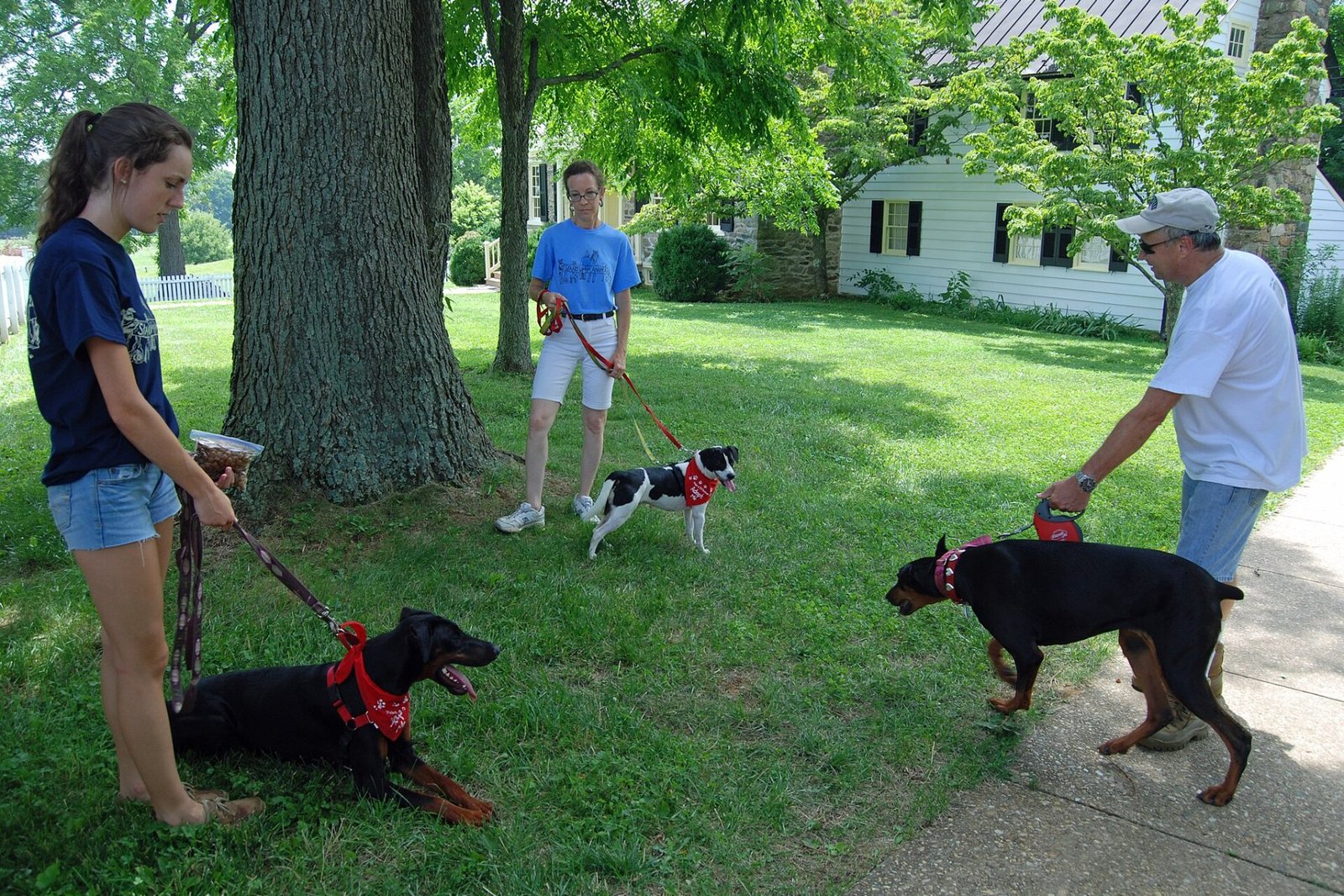
If you live in South Korea with a dog, November is the month to double-check one small thing: your dog’s registration.
After a two-month window that let owners register without any penalty, local officials across the country are now spending all of November checking whether dogs are registered, according to the Ministry of Agriculture, Food and Rural Affairs (MAFRA, 농림축산식품부).
What’s happening this month
On September 13, MAFRA announced that the year’s second “self-report” period for dog registration was running from September 1 to October 31, 2026. During those two months, owners who registered their dogs or updated their details would not be fined.
That window has now closed. KB Think, KB Financial Group’s consumer guide, notes that a month-long crackdown is scheduled for November, and that violations found during it can be fined. According to Gyeonggi Ilbo (경기일보), the ministry and local governments plan to check registration and change reports in places like parks and apartment complexes, and to check leash and ID tag rules at the same time.
💡 Good to know: The penalty-free window only protected owners who actually registered or updated their details during September and October. It wasn’t a general pass for everyone, as Insight (인사이트) points out.
Which dogs need to be registered?
Under Korea’s Animal Protection Act, dogs kept as pets from 2 months of age must be registered with the city, county, or district office (시·군·구청), the ministry says.
Cats aren’t required to be registered, but KB Think says owners can register a cat voluntarily with an internal microchip.
How much are the fines?
Two numbers matter:
- Not registering a dog: a fine of up to 1 million won.
- Not reporting changes: up to 500,000 won. Changes include a new owner, a new address or phone number, or a dog who has gone missing or passed away.
KB Think adds that a lost dog should be reported within 10 days, and other changes, such as a new owner, name, address, phone number, or a death, within 30 days.

Microchip or tag?
There are two ways to register, according to the ministry:
- Internal: a tiny microchip placed under the skin.
- External: a chip attached to a collar or necklace tag.
The ministry recommends the internal chip, because an external tag can be lost or damaged. KB Think lists the registration fee as 10,000 won for an internal chip and 3,000 won for an external one, plus the cost of the device itself, which varies by clinic.
You can register at your local government office or at an animal hospital or other registration agency. The list of agencies is on Korea’s national animal protection information system (국가동물보호정보시스템).
Why registration matters
Registration can feel like just paperwork. But a registered chip is often what connects a lost dog with their family again, especially if a collar slips off. MAFRA’s animal welfare policy director Lee Yeon-sook urged owners who hadn’t registered yet to finish during the penalty-free period, and those words still apply now that it’s over.
💡 Did you know? Korea runs these self-report periods more than once a year. In 2026, the first one ran in May and June, and the second in September and October, Gyeonggi Ilbo reported.
If you’re not in Korea
Many places have similar rules, and even where they don’t, a microchip with up-to-date contact details is one of the simplest things you can do for a dog. If you’ve moved or changed your phone number this year, it’s worth checking that your dog’s record still matches.
Angel Jake Note 🐾
No one plans for their dog to get lost. It usually happens in a second: a door left open, a startled dog slipping out of a harness.
A registration number won’t stop that moment from happening. But it can make the moment after much shorter. If your dog isn’t registered yet, or your details have changed, this is a good week to take care of it.
A Note on This Story
This post summarizes the reports and official sources linked in the Sources section. Details can change as a story develops, so please check those sources for the latest updates.
Sources
- 경기일보 (Daum): 반려견 등록 시 “과태료 최대 100만 원 면제”… 농식품부, 자진신고 기간운영
- 인사이트: “반려견 미등록자 주목”… 10월까지 자진신고하면 과태료 면제
- KB Think: 반려견 동물등록 자진신고 | 반려견 등록 꼭 확인해요