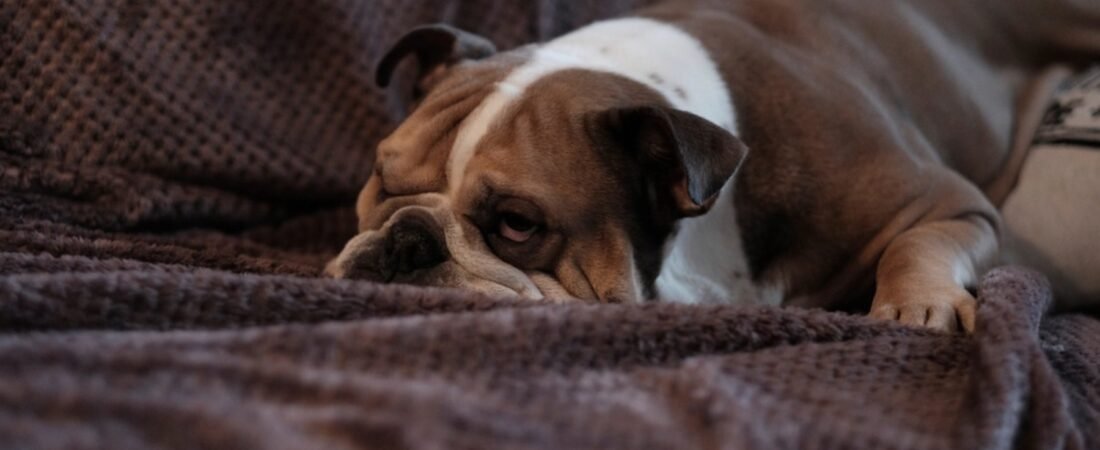
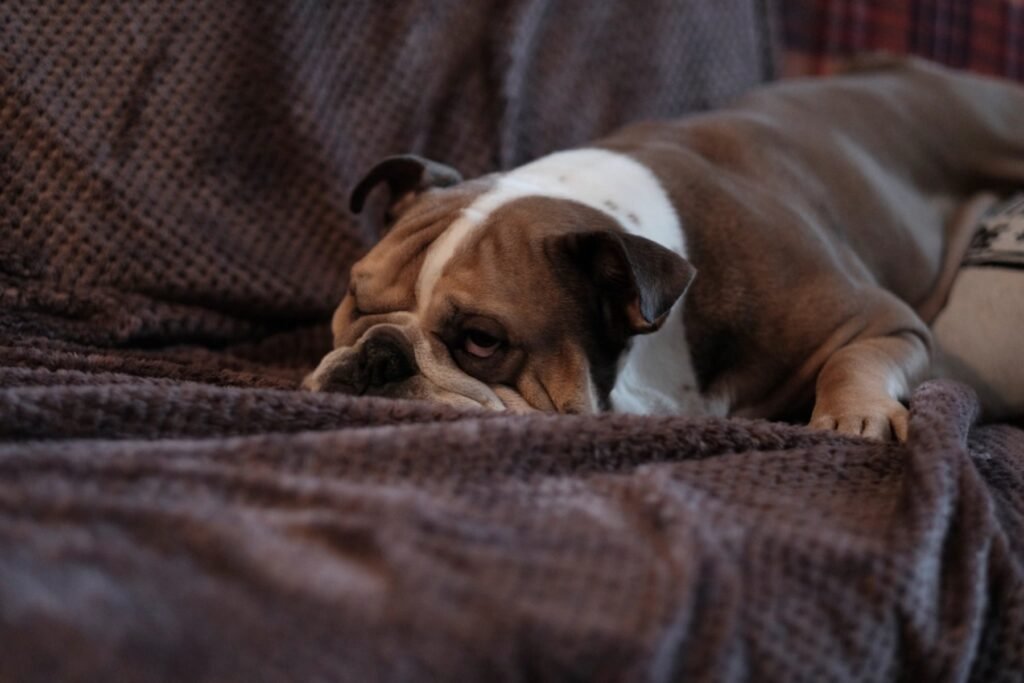
It’s two in the afternoon. You’ve answered a dozen emails, made lunch, and maybe started a load of laundry. Your dog, meanwhile, has moved from the couch to the rug to a sunny patch by the window, and hasn’t really been awake for any of it.
If you’ve ever looked over and wondered, “Is this normal?”, you’re far from alone. Dogs do sleep a lot. But how much is a lot, and when should a change in their sleep make you pay closer attention?
So how much sleep is normal?
Most dogs sleep somewhere between 12 and 16 hours a day, according to PetMD’s vet-reviewed guide. That usually breaks down into six to eight hours overnight, while we’re asleep too, plus four to eight hours of naps during the day.
That’s a wide range, and it’s meant to be. PetMD says where a dog lands depends on their age, breed, and activity level. A young, busy herding dog and a laid-back couch companion can both be perfectly healthy while keeping very different schedules.
A Korean veterinarian describes a similar picture. In a column for the health outlet 헬스경향 (K-Health), veterinarian Jang Bong-hwan of Goodmorning Pet Animal Hospital puts the average for dogs at 12 to 14 hours a day, or roughly half the day, and says it’s normal for dogs to sleep more than people do.
Puppies and seniors play by different rules
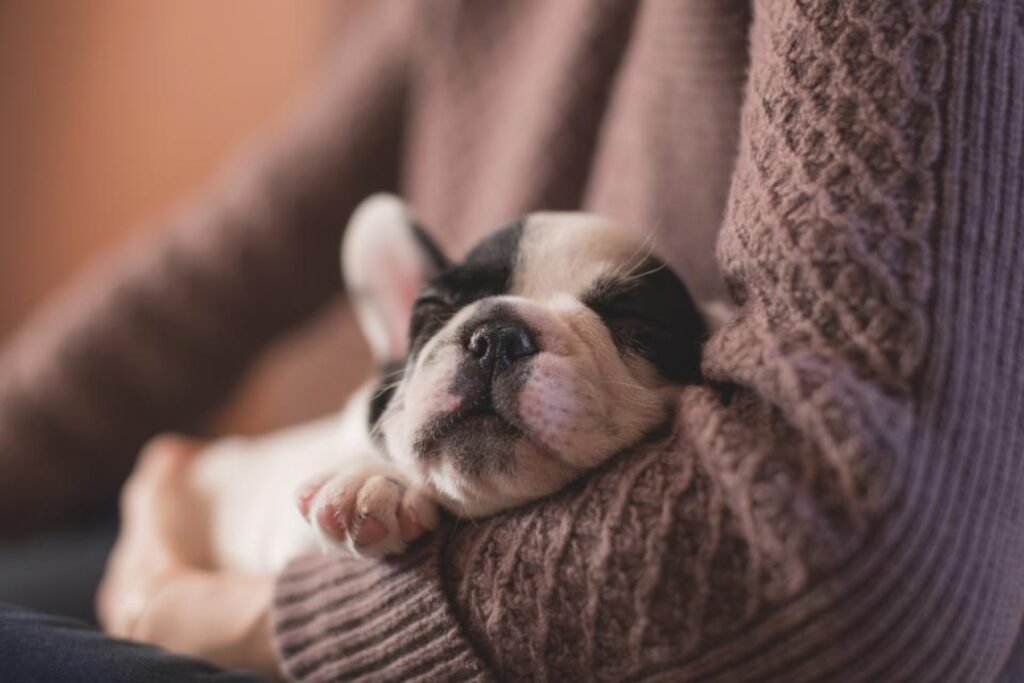
Puppies are the champion nappers. The American Kennel Club says they usually sleep 18 to 20 hours a day, often in short daytime naps that can come about every hour and last anywhere from 30 minutes to two hours.
That isn’t laziness. The AKC explains that sleep supports a puppy’s central nervous system, brain, immune system, and muscles, and helps them recover during growth spurts. It also warns that too much stimulation and exhaustion can lead to some unfortunate behavior, which might explain the wild “overtired toddler” energy some puppies get right before they crash.
At the other end of life, sleep creeps back up. The AKC’s Reunite program says young adult dogs sleep about 8 to 14 hours a day, while senior dogs sleep more, “about as much as puppies do.” The K-Health column puts senior dogs at up to 18 hours.
Size plays a part too. AKC Reunite notes that giant breeds tend to sleep a little more and smaller dogs somewhat less. PetMD adds that working breeds like retrievers, hounds, and spaniels may need less rest, while dogs like mastiffs, Great Danes, Pekingese, and Shih Tzus are often happy to spend a lot of the day snoozing. And according to the K-Health column, working dogs such as police dogs and guide dogs tend to sleep less than pet dogs.
Why do dogs sleep so much more than we do?
Part of the answer is in how dogs sleep, not just how long.
In a 1993 study published in Applied Animal Behaviour Science, researchers G.J. Adams and K.G. Johnson watched 24 pet dogs through the night. On average, each dog had 23 sleep-wake cycles over eight hours. A typical cycle was about 16 minutes of sleep followed by 5 minutes awake.
So while many of us aim for one long stretch, dogs sleep in short chunks and pop awake often. A dog who wakes up about two dozen times a night may simply need more total time resting to get what they need. That’s one reason a full day of naps isn’t a red flag on its own.
The same study had a few other surprises. When dogs slept somewhere new, their active sleep disappeared for the first night and came back over the next two. Dogs sharing a sleeping space didn’t sync up their sleep cycles. They usually woke up together only when something startling happened.
💡 Good to know: In that 1993 study, nine of the 14 owners were disrupting their dog’s sleep without realizing it. If your dog seems tired during the day, it may be worth noticing what’s going on around their bed at night.
Lifestyle matters as well. PetMD lists boredom, illness or recovery, and emotional stress, like a move or a loss in the family, as things that can change how much a dog sleeps. A dog with a quiet day and not much to do may nap more simply because there’s nothing better on offer.
Sleep does real work
Sleep isn’t just downtime for a dog’s brain. Researchers at Eötvös Loránd University in Hungary have studied dogs’ brain activity during sleep using EEG.
In a 2017 study in Scientific Reports, Ivaylo Iotchev, Enikő Kubinyi, and colleagues taught dogs new words for familiar commands and then recorded them as they slept. The dogs’ learning success was best predicted by short bursts of brain activity called sleep spindles, the same kind of signal linked to memory in humans. A 2020 follow-up by the same group found that the link held up better when measurements were averaged, though the authors noted that bigger studies would still help settle the question.
If you’re curious about what happens later in the night, during the twitchy-paw stage, we’ve written about that in our post on dog dreams.
Flat-faced dogs may be sleepier for a reason
Some dogs nap a lot because they aren’t sleeping well at night.
A 1987 study in the Journal of Applied Physiology called the English bulldog “a natural model of sleep-disordered breathing.” Bulldogs have an enlarged soft palate and a narrow airway, and in the study their blood oxygen dropped during sleep, especially during REM sleep. They also had pauses in breathing.
The daytime effect was striking. When given the chance, the bulldogs fell asleep in about 12 minutes on average, compared with more than 150 minutes for the comparison dogs.
💡 Worth knowing: If your flat-faced dog snores loudly, seems to struggle for air during sleep, or dozes off almost anywhere during the day, mention it to your vet. Their sleepiness may have a breathing-related cause worth checking.
When sleep changes are a sign of something else
Here’s the most useful thing to remember: the number of hours matters less than whether your dog’s sleep has changed.
AKC Reunite advises a vet visit if you notice a sudden increase in how much your dog sleeps, or if they don’t wake up eager to do their favorite things. PetMD puts it this way: “an adult dog who suddenly opts out of fun and games to sleep might be dealing with an underlying health issue.” It lists parasites, thyroid problems, heart disease, and pain among the possible causes.
Thyroid trouble is a good example. VCA Animal Hospitals lists lethargy and a lack of desire to exercise as signs of hypothyroidism, along with weight gain without eating more, getting cold easily, and a dry, thinning coat. VCA says it usually shows up in middle-aged dogs, at an average of six to seven years old.
The K-Health column adds diabetes and depression to the list of things that can make a dog sleep more. It also points out the opposite problem: trouble sleeping can come from injury, stress, or cognitive dysfunction.
That last one matters for older dogs. A 2023 North Carolina State University study of 28 senior dogs found that dogs with more severe signs of dementia spent less time in both non-REM and REM sleep, and their sleep was more broken up. “When they do manage to sleep, their brains aren’t really sleeping,” lead author Alejandra Mondino said. PetMD notes that dogs with cognitive dysfunction may be restless at night and nap more during the day.
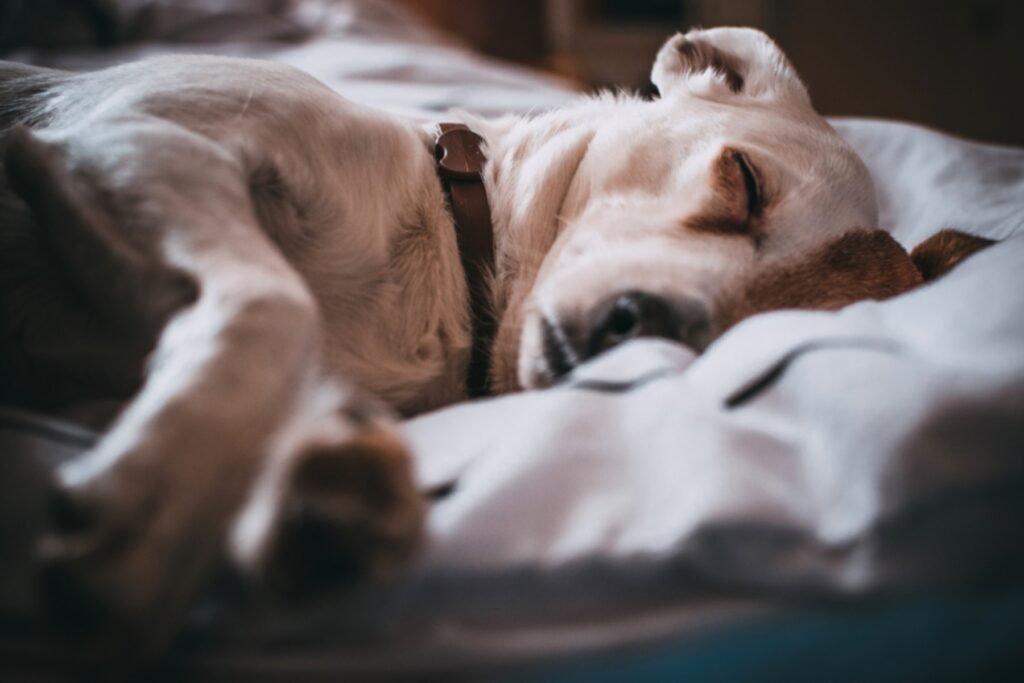
⚠️ Please don’t wait. If your dog suddenly starts sleeping much more or much less than usual, and you also notice lethargy, a loss of appetite, hiding or keeping to themselves, restlessness, or a lack of interest in things they normally love, call your vet. PetMD and the AKC list these as signs worth a checkup, and changes in sleep can be an early clue to illness or pain.
Helping your dog get good rest
A few simple habits can help. The AKC suggests giving puppies a quiet spot of their own for naps, like a crate or dog bed, and balancing active time with calm time after play or walks. A bedtime routine with a last bit of play, some cuddles, and a potty trip can help them settle.
The K-Health column offers similar tips for dogs of all ages: a familiar blanket or bed, a quiet and dim space without much going on, a consistent bedtime, and regular walks or sniffing games to use up energy during the day.
None of this needs to be perfect. The goal is a calm, predictable place where your dog feels safe enough to let their guard down.
Angel Jake Note 🐾
I think it’s easy to feel a little guilty watching a dog sleep the day away, as if they must be bored. Most of the time, they’re doing exactly what their bodies need.
What I’d keep an eye on is change. You know your dog’s normal better than anyone. If their sleep shifts in a way that doesn’t match their age or their week, and other little things feel off too, that’s a good reason to check in with your vet rather than wait and see.
Medical Disclaimer
I’m not a vet, and nothing here replaces a real exam. If something about your dog feels off, please trust that feeling and call your veterinarian.
Sources
- PetMD: How Many Hours Does a Dog Sleep in a Day?
- American Kennel Club: How Much Do Puppies Sleep?
- AKC Reunite: Understanding Your Dog’s Sleeping Patterns
- Applied Animal Behaviour Science (Adams and Johnson, 1993): Sleep-wake cycles and other night-time behaviours of the domestic dog *Canis familiaris*
- ELTE Department of Ethology: Do dogs ‘dream’ of electric spindles? (Iotchev et al., Scientific Reports, 2017)
- ELTE Department of Ethology: Positive association between sleep spindle density and learning success (2020)
- Journal of Applied Physiology (1987): The English bulldog: a natural model of sleep-disordered breathing
- VCA Animal Hospitals: Hypothyroidism in Dogs
- NC State University News (2023): Sleep and cognition in aging dogs
- 헬스경향 (K-Health): 반려동물 건강이야기, 하루 종일 잠만 자는 우리 강아지, 괜찮을까요?